



Betanin vs Vulgaxanthin in Beetroot: Red and Yellow Betalains
Beetroot’s intense color comes largely from betalains rather than anthocyanins. Betanin belongs to the red-violet betacyanin subclass, while vulgaxanthin I belongs to the yellow-orange betaxanthin subclass....
Oct 28 2026

Hawthorn vs Beetroot: Polyphenol and Nitrate Pathways Explained
Hawthorn and beetroot are often grouped inside circulation-focused formulas, but their signature compound families are different. Hawthorn fruit and leaf materials are known for flavonoids, phenolic...
Oct 23 2026

Beetroot Nitrates vs Betalain Pigments in Cayenne Drops
Beetroot is often summarized with one word, yet it contains several chemically different compound families. Dietary nitrate is a small inorganic ion that can enter the...
Oct 23 2026

Cayenne Drops vs Softgels: Which Format Fits Your Routine?
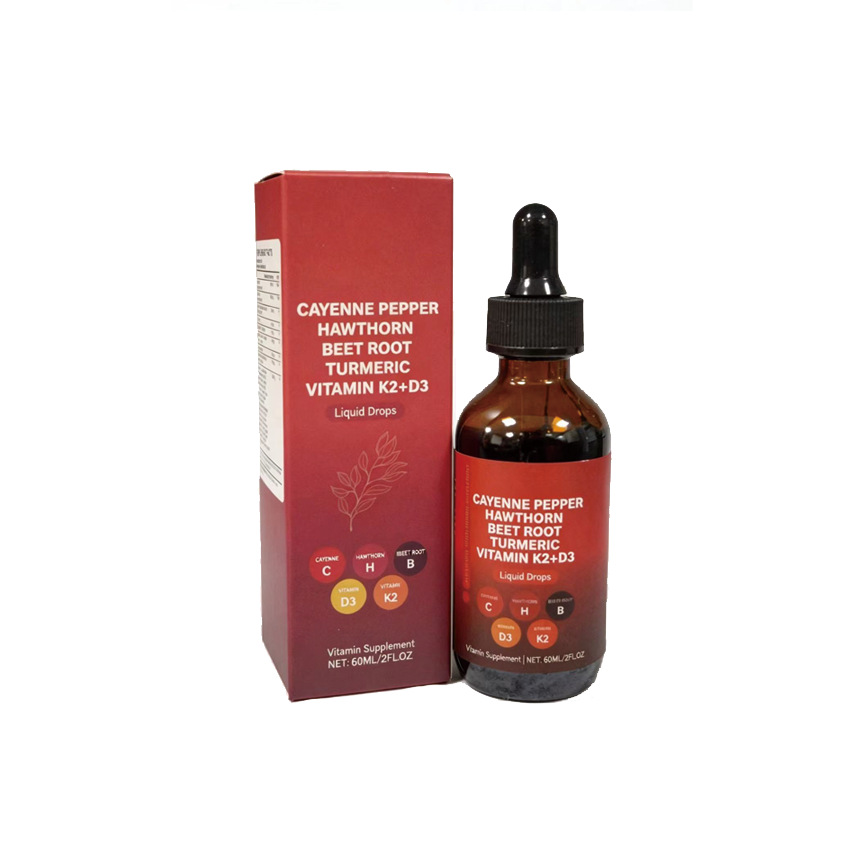
Luvixy offers two cayenne-centered formats with different strengths. The 60 mL drops emphasize cayenne, hawthorn, beetroot, turmeric, D3 and K2 in a measured liquid, while the...
Oct 13 2026

Eight Headline Ingredients in a 12-in-1 Cayenne Formula
The current listing highlights eight ingredients inside the broader 12-in-1 formula: cayenne, grape seed, hawthorn, black pepper, turmeric, beetroot, vitamin D3 and vitamin K2. Together they...
Oct 11 2026

Beetroot Betalains vs Nitrate: Pigments and Signaling
Beetroot's color and its nitrate pathway come from different components. Betalains are nitrogen-containing pigments that create red and yellow hues; nitrate is a colorless inorganic ion...
Oct 08 2026

Beetroot Nitrate Cycle: Oral Microbiome to Nitric Oxide
Beetroot's nitrate pathway is unusual because it depends partly on bacteria in the mouth. The route from nitrate to nitrite and then nitric oxide is called...
Oct 07 2026

Beetroot Nitrates, Cayenne & Hawthorn: 3 Circulation Pathways
Beetroot, cayenne and hawthorn all fit a circulation-focused formula, but they enter the topic through different chemistry. Beetroot is known for dietary nitrate, cayenne for capsaicinoids...
Oct 04 2026