


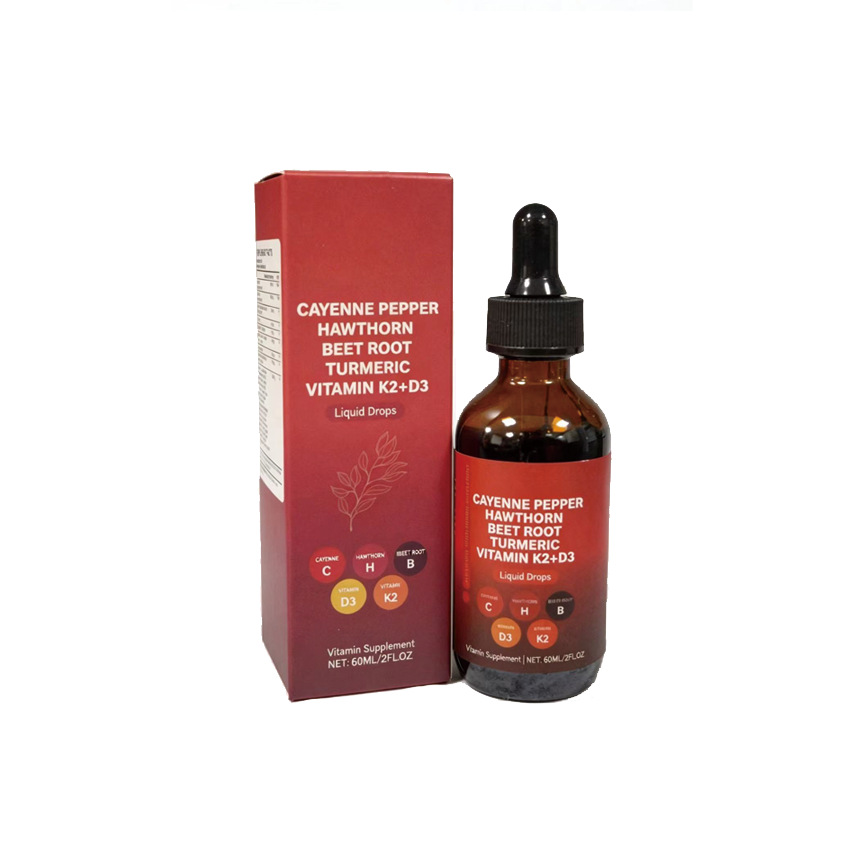

Mushroom Chitin vs Beta-Glucans in Maitake and Reishi
Mushroom cell walls contain both chitin and beta-glucans, but these polymers are built from different sugar units. Chitin is a straight-chain polymer of N-acetylglucosamine linked mainly...
Oct 27 2026
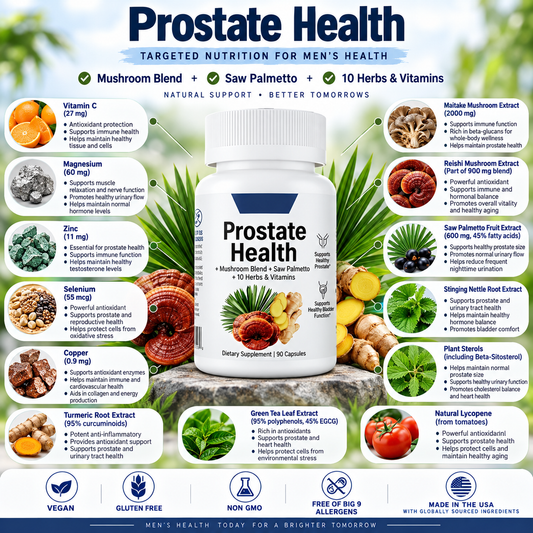
Beta-1,3 vs Beta-1,6 Glucan Linkages in Mushrooms
Beta-1,3 and beta-1,6 are not two different sugars. They describe the positions used to connect glucose units inside a beta-glucan chain. Many mushroom beta-glucans use a...
Oct 25 2026

Ergothioneine vs Beta-Glucans: Two Mushroom Compound Types
Ergothioneine and beta-glucans can occur in mushrooms, but they occupy opposite ends of the molecular-size spectrum. Ergothioneine is a small sulfur-containing histidine derivative obtained through the...
Oct 25 2026
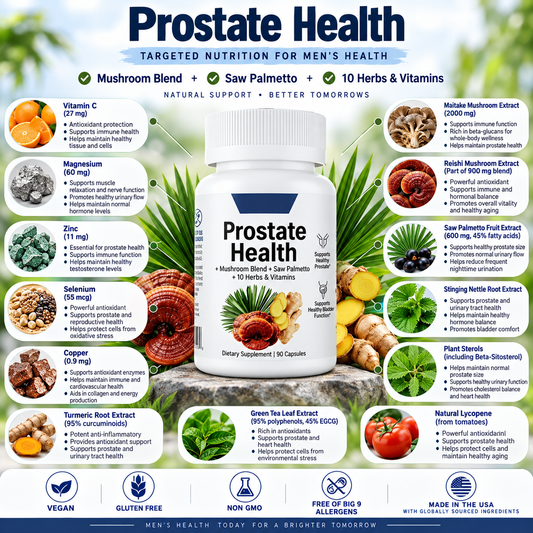
Reishi Triterpenes vs Beta-Glucans: Two Mushroom Compound Families
Reishi is often summarized with the single phrase mushroom polysaccharides, but its chemistry is broader. Beta-glucans are large glucose polymers with species- and extraction-dependent branching patterns....
Oct 23 2026
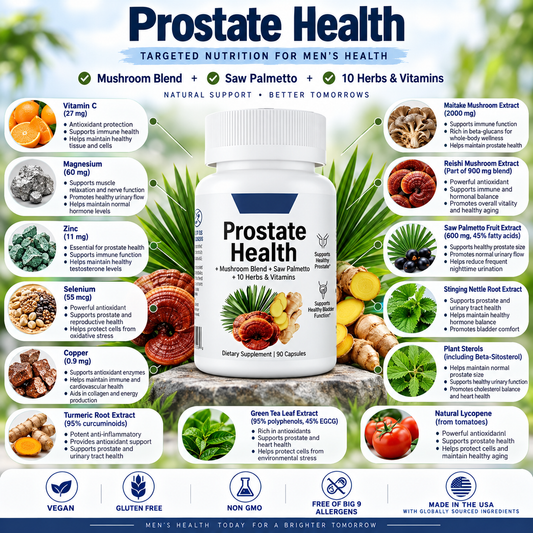
Maitake vs Reishi: Two Mushrooms in a 900 mg Blend
Maitake and reishi are two different mushroom species with overlapping but non-identical polysaccharide profiles. Maitake is Grifola frondosa, often called hen of the woods. Reishi commonly...
Oct 23 2026

Mushroom Beta-Glucans vs Glucomannan: Two Fiber Structures
Mushroom beta-glucans and glucomannan are both large carbohydrate polymers, but their sugar linkages, sources and formula roles differ. Maitake and reishi in Luvixy Saw Palmetto Complex...
Oct 22 2026

Maitake, Reishi and Beta-Glucans in Luvixy Saw Palmetto
The largest botanical layer in Luvixy Saw Palmetto is not the saw-palmetto blend. It is a 900 mg mushroom complex containing maitake and reishi extracts. That...
Oct 15 2026