
PDRN vs Hyaluronic Acid in Skincare: Different Roles, Evidence & Label Questions
Quick Answer
Direct answer: PDRN and hyaluronic acid are not interchangeable skincare ingredients. Hyaluronic acid (HA) is widely used in topical cosmetics as a water-binding humectant, while PDRN refers to polydeoxyribonucleotide material studied in regenerative and dermatologic settings. The evidence base, formulation role, molecular characteristics, and route of use can differ substantially.
PDRN vs hyaluronic acid: what is the simplest difference?
HA is primarily used in topical skincare for hydration, while PDRN is discussed for different biologic and regenerative mechanisms. That does not mean a topical PDRN cosmetic has the same effects as medical PDRN treatments studied in clinical research.
This distinction is especially important because much of the published PDRN/polynucleotide literature involves injections, wound care, procedural dermatology, or other clinical applications. A finished facial serum should be evaluated as the finished topical cosmetic it actually is.
What does research say about topical hyaluronic acid?
Topical HA has a more established cosmetic hydration role. A peer-reviewed review of topical HA cosmeceuticals describes HA’s hygroscopic, rheological, and viscoelastic properties and summarizes studies reporting improvements in skin hydration and other skin-quality measures. Formulation characteristics and molecular size can influence how a specific HA product behaves.
That still does not mean every HA serum produces identical results. Concentration, molecular weight, supporting ingredients, vehicle, frequency of use, and study design all matter.
What does research say about PDRN and polynucleotides?
Research is developing, but it should be interpreted by route of administration and study type. A 2026 systematic review identified seven randomized trials involving 183 participants across skin rejuvenation, postoperative scar prevention, and wound-healing applications. The authors reported promising findings but emphasized small samples, heterogeneous protocols, and the need for larger randomized trials.
For shoppers, the key point is that clinical evidence for injected or medically applied PN/PDRN cannot simply be transferred to an over-the-counter topical serum. Route, dose, formulation, and treatment context are different.
Can a serum contain both PDRN and hyaluronic acid?
Yes, ingredients can be combined in one cosmetic formula, but their roles should not be assumed to multiply each other’s effects. The ingredient list can confirm whether both are present; it usually cannot tell you whether a specific finished formula has been clinically tested unless the brand provides evidence for that exact product.
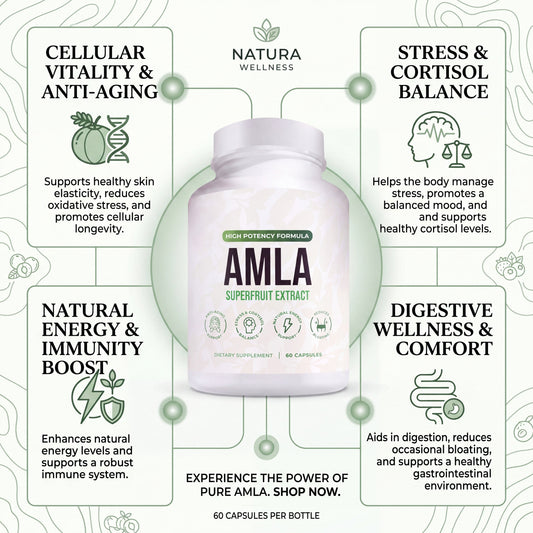
Read What Is PDRN Skincare? A Beginner’s Guide to PDRN Facial Serum for the basics, then see Amla and PDRN: Building a Daily Beauty & Glow Routine for a broader beauty-routine context.
What should you look for on a PDRN or HA skincare label?
Focus on the complete formula and directions.
- Identify PDRN/polynucleotide wording and hyaluronic acid/sodium hyaluronate wording in the ingredient list.
- Check whether the product is clearly intended for topical cosmetic use.
- Look for humectants, emollients, occlusives, soothing ingredients, preservatives, and fragrance that affect the overall formula.
- Follow the labeled use frequency and patch-test guidance where appropriate.
- Do not treat injectable-procedure studies as proof for a topical product.
Related Luvixy product
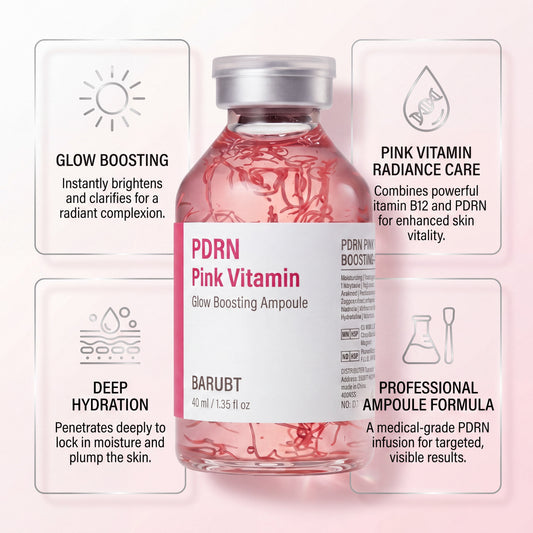
Explore PDRN Pink Vitamin Glow Boosting Ampoule – 40 mL Facial Serum. Evaluate its current ingredient list, directions, and cosmetic claims as the source of truth for the finished formula.
FAQ
Is PDRN the same as hyaluronic acid?
No. They are different material classes with different functions and research histories.
Which is better for hydration?
HA has the clearer established role as a topical humectant for hydration. “Better” overall depends on the finished formula and the user’s skincare goal.
Do PDRN injection studies prove a PDRN serum works the same way?
No. Evidence from injections or clinical procedures should not be assumed to apply to a topical cosmetic serum.
Can I layer a PDRN serum with an HA moisturizer?
Many cosmetic products can be layered, but follow each product’s directions and consider your skin’s tolerance. People with reactive skin may prefer introducing one new product at a time.
References
- PubMed — Systematic Review of Randomized Trials of Polynucleotides and PDRN (2026)
- PubMed — Benefits of Topical Hyaluronic Acid for Skin Quality
Educational cosmetic information only; not medical advice. This article does not claim that a topical cosmetic reproduces the effects of injected or medical treatments. Consult a dermatologist or other qualified professional for persistent skin concerns or questions about procedures.
Related Luvixy reading: For product-format terminology, read PDRN Ampoule vs Serum vs Essence.
Related PDRN guide: For formula-level comparison beyond hero ingredients, read How to Read a PDRN Skincare Ingredient List.
Tags:
Previous
Soursop Multivitamin Drops: How to Read Botanicals, Vitamins & Minerals on the Label
Next
Calcium Citrate vs Calcium Carbonate: Absorption, Serving Size & Label Differences