
Cayenne Softgels vs Liquid Drops: 12-in-1 Formula vs Hawthorn Beet Root Drops
Quick Answer
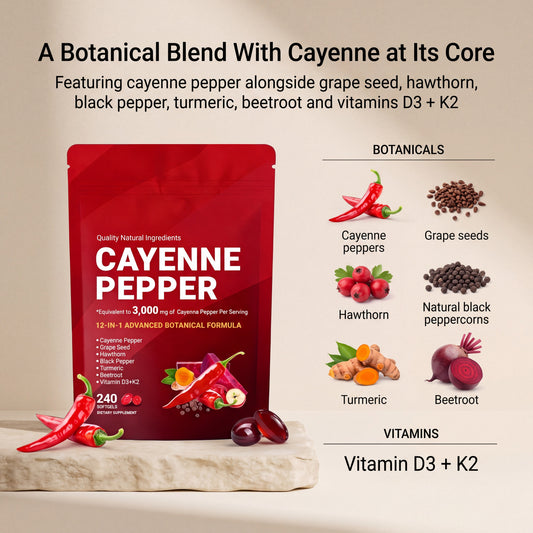
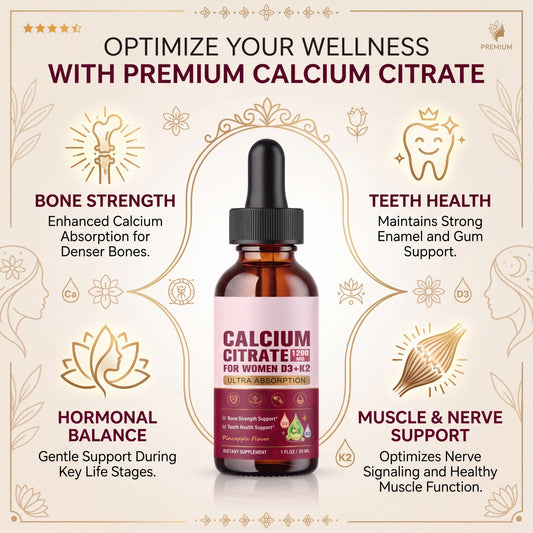
Luvixy’s Cayenne Pepper 12-in-1 Softgels and Cayenne Hawthorn Beet Root Drops share several highlighted ingredients, but they are different formulas in different delivery formats. The softgel product is positioned as a 12-in-1 formula with a labeled 3,000 mg equivalent per serving, while the 60 mL liquid highlights cayenne, hawthorn, beet root, turmeric, vitamin D3, and vitamin K2. Compare one labeled serving at a time rather than one softgel with one dropper.
What Ingredients Do the Two Products Have in Common?
The product descriptions identify overlapping ingredients including cayenne, hawthorn, beet root, turmeric, vitamin D3, and vitamin K2. The 12-in-1 softgel formula also highlights additional botanical ingredients such as grape seed and black pepper.
For a broader ingredient cluster, read Cayenne, Hawthorn, Beet Root & Aged Garlic for Circulation.
How Is the Softgel Formula Different?
Cayenne Pepper 3000 mg – 12-in-1 Botanical Formula comes in a 240-softgel pouch and uses a labeled botanical-equivalent amount. That equivalent number should be interpreted separately from the actual weight of a finished extract or powder.
Read Cayenne Pepper Supplement Labels and How Herbal Potency Labels Work for more detail.
How Is the Liquid Formula Different?
Cayenne Hawthorn Beet Root Drops – D3 + K2, 60 mL uses a measured liquid serving rather than a softgel count. The 60 mL bottle size is not the serving size; check the label for the actual amount per serving.
How Do You Compare Softgels With Drops Fairly?
Match one labeled serving
Do not compare “one softgel” with “one dropper” unless each is the labeled serving.
Separate package size from serving strength
240 softgels and 60 mL describe total package quantity, not ingredient amount per serving.
Compare overlapping ingredients line by line
Cayenne, hawthorn, beet root, turmeric, D3, and K2 should each be compared using the amounts stated on the labels.
Review extra ingredients separately
A 12-in-1 formula contains additional components that may not appear in the liquid formula.
What Does 3,000 mg Equivalent Mean?
A botanical-equivalent figure describes how much starting plant material an extract is represented as equivalent to under the manufacturer’s labeling method. It should not automatically be read as the literal weight of finished ingredient in each softgel.
How Do D3 + K2 Affect the Comparison?
Because both formulas may contain vitamins D3 and K2, shoppers using other vitamin products should check total intake across the routine.
Related reading: Vitamin D3 + K2 Supplement Labels and How to Check Total Daily D3 + K2 Intake.
Which Format Is Easier to Compare for Value?
Use cost per labeled serving, not cost per softgel or cost per mL. Read How to Calculate Supplement Cost Per Serving.
Frequently Asked Questions
Are the two cayenne products the same formula?
No. They share some highlighted ingredients but use different formula structures and formats.
Does 240 softgels mean 240 servings?
Not necessarily. Check the labeled serving size.
Does 60 mL mean 60 servings?
No. Bottle volume and serving count are different.
Can I compare the products only by the cayenne milligram number?
No. Ingredient form, equivalent-mg wording, serving size, and the rest of the formula all matter.
Where can I compare supplement formats more generally?
Read Liquid Drops vs Capsules and Softgels vs Vegetarian Capsules.
Educational content only. If you use medications, especially products relevant to blood pressure, circulation, clotting, or other cardiovascular concerns, discuss supplement use with a qualified healthcare professional.
Tags:
Previous
EsoRepair vs Esophage Daily: How to Compare Two 60 mL Esophageal Wellness Liquids
Next
Milk Thistle Capsules vs 80% Silymarin Veggie Capsules: What Changes on the Label?