
Softgels vs Vegetarian Capsules: Shell Materials, Fill Types & Label Differences
Quick Answer
Softgels and vegetarian capsules mainly differ in shell material and the type of fill they are designed to hold. Softgels commonly contain liquid or oil-based fills inside a sealed shell, while vegetarian capsules often use plant-derived shell materials and may contain powders or dry extracts. The better format depends on the specific formula and your preferences, not the format name alone.
What Is a Softgel?
A softgel is a one-piece sealed capsule with a flexible shell. The fill is often liquid, semi-solid or oil-based. The shell may contain gelatin or other materials depending on the product.
What Is a Vegetarian Capsule?
A vegetarian capsule usually uses a non-gelatin shell material, such as a plant-derived cellulose-based material. It is commonly used for powders, botanical extracts and dry blends.
Does Softgel Mean Better Absorption?
Not automatically. Format alone does not prove that one finished supplement will be absorbed better than another. The ingredient, formulation, dose and finished-product design all matter.
How Do You Read Shell Materials on the Label?
Check the “Other Ingredients” section. It may identify gelatin, glycerin, cellulose, hypromellose, oils, colors, flavors or other materials used in the shell and fill.
For a deeper explanation, read Other Ingredients on Supplement Labels: Gelatin, Flavors, Carriers & Excipients Explained.
How Does Serving Size Change the Comparison?
One softgel and one vegetarian capsule are not automatically equivalent. Compare the amount of the active ingredient per serving and the number of units in each serving.
Also see Does 90 Capsules Mean a 90-Day Supply?.
Which Luvixy Products Use These Formats?
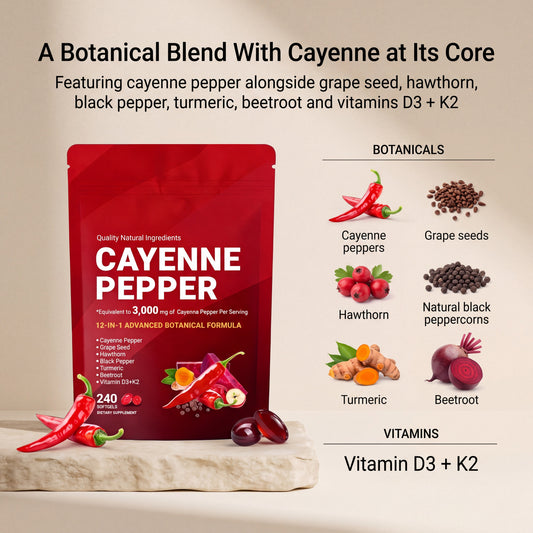
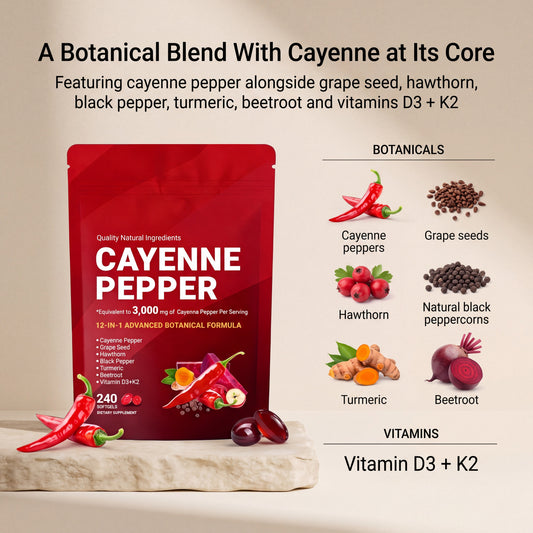
Examples of softgel products include Cayenne Pepper 3000 mg – 12-in-1 Botanical Formula and Aged Garlic Extract 7500 mg – 30 Softgels.
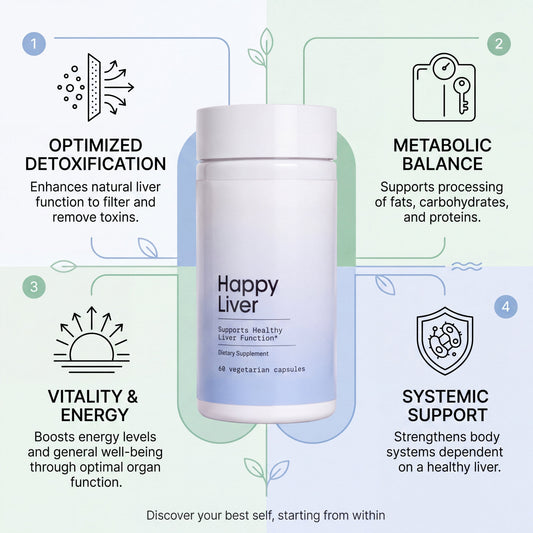
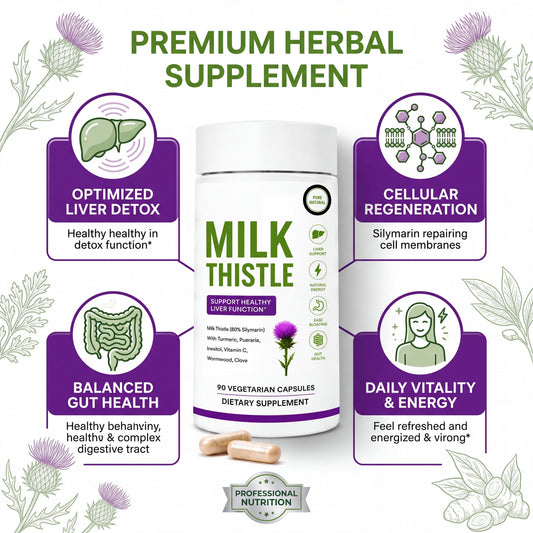
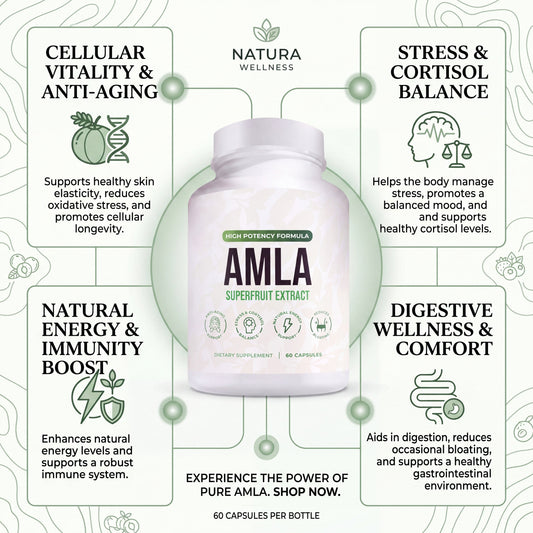
Examples of capsule-based products include Milk Thistle Silymarin Liver Support, Happy Liver Daily Support and Amla Superfruit Extract.
How Do Softgels Compare With Liquid Drops?
Liquid drops use a measured liquid serving rather than a capsule shell. If you are choosing by format, read Liquid Drops vs Capsules: How to Choose a Supplement Format.
What Should You Check Before Choosing a Format?
- Active ingredient amount per serving
- Capsules or softgels per serving
- Shell material
- Other ingredients
- Dietary preferences
- Storage directions
- Whether the formula is powder-, oil- or liquid-based
Frequently Asked Questions
Are all softgels made with gelatin?
No. Many are, but not all. Check the Other Ingredients section rather than assuming.
Are vegetarian capsules always plant-based?
They are typically made without gelatin, but the exact shell material should be confirmed on the label.
Are softgels stronger than capsules?
No. Strength is determined by the amount and form of active ingredients, not by the shell format alone.
Can a vegetarian capsule contain an extract?
Yes. Many botanical extracts and powdered ingredients are packaged in vegetarian capsules.
What is the fastest way to compare two supplement formats?
Compare the Supplement Facts panel first, then read Other Ingredients and serving directions.
Educational content only. Product format does not determine suitability for every individual.
Softgel examples: Apply the format checklist to Odorless Aged Garlic and Cayenne Pepper Supplement Labels.
New related guides: Compare a softgel formula with drops in Cayenne Softgels vs Liquid Drops, and compare capsule-shell wording in Vegetarian Capsules vs Veggie Capsules.
Tags:
Previous
NAD+ Supplement Labels: Direct NAD+, Precursors, Liposomal Delivery & Serving Size
Next
Hawthorn Berry vs Leaf & Flower Extract: Plant Parts, Extracts & Supplement Label Differences