
Vitamin D3 + K2 Supplement Labels: IU, mcg, %DV & Combined Formula Differences
Quick Answer
To compare vitamin D3 + K2 supplements, read each vitamin separately. Check the serving size, the amount of vitamin D3, the amount and form of vitamin K2, the % Daily Value when shown, and whether you are getting the same nutrients from another supplement. Front-label wording such as “D3 + K2” does not tell you the actual amounts.
Why Are Vitamin D3 and K2 Often Listed Together?
Vitamin D3 and vitamin K are distinct nutrients with different biological roles, but they are frequently combined in the same product. For label comparison, treat them as two separate lines on the Supplement Facts panel rather than as one blended ingredient.
If you use more than one product containing these nutrients, read Can You Take Multiple Supplements with Vitamin D3 + K2? How to Check Total Daily Intake.
How Do You Read Vitamin D3: IU vs mcg?
Vitamin D3 may be displayed in micrograms (mcg), and some packaging also uses International Units (IU). For vitamin D, 1 mcg equals 40 IU. That means two labels can appear very different while actually providing the same amount.
Example
A label showing 25 mcg of vitamin D3 is equivalent to 1,000 IU. When comparing products, convert units only when necessary and then compare the amount per serving.
How Do You Read Vitamin K2 on a Label?
Vitamin K2 is usually listed in micrograms. A label may also identify a specific form such as MK-7 or MK-4. Do not assume two K2 products are identical if one lists a form and the other does not.
Check the exact nutrient line
Look for:
- Amount per serving
- Unit, usually mcg
- % Daily Value when provided
- Specific vitamin form when disclosed
- Number of servings per bottle
What Does %DV Tell You?
The % Daily Value helps place the listed nutrient amount in the context of the Daily Value used for nutrition labeling. It is not a personalized dosing recommendation. Individual needs can differ, and a product may contain nutrients from several sources.
For label fundamentals, see How to Read a Supplement Facts Label.
How Do Combined Formulas Change the Comparison?
D3 + K2 may appear in a calcium supplement, a multi-ingredient botanical product, or a liquid wellness formula. Two products with the same nutrient names may still differ in:
- Serving size
- D3 amount
- K2 amount and form
- Other vitamins and minerals
- Botanical ingredients
- Liquid vs capsule or softgel format
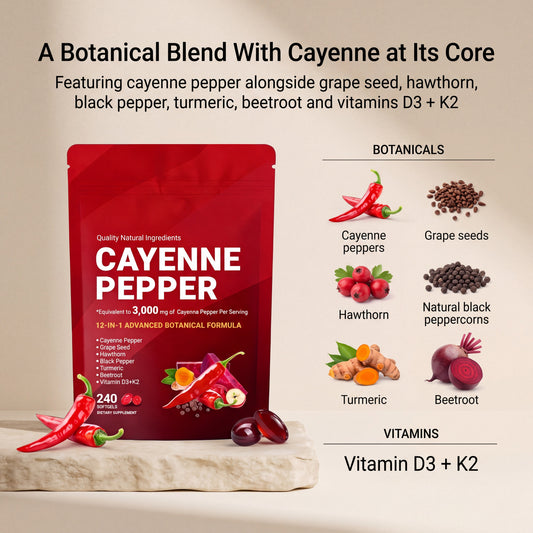
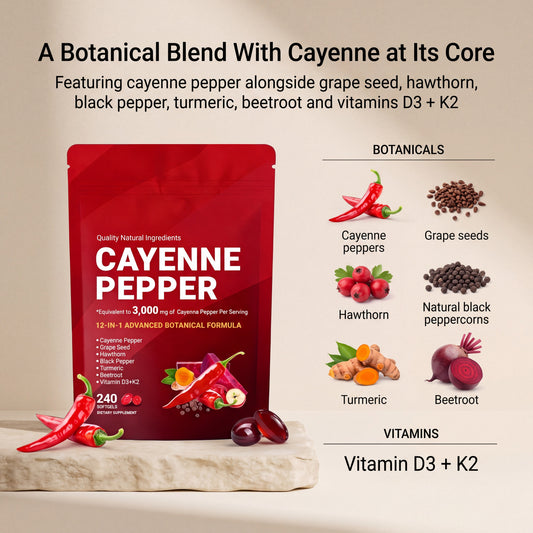
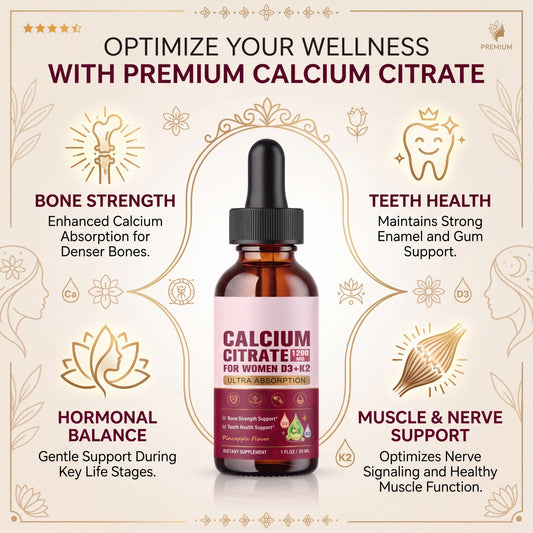
Examples in the Luvixy catalog include Calcium Citrate 1200 mg with D3 + K2 Drops, Cayenne Pepper 12-in-1 Softgels, and Cayenne Hawthorn Beet Root Drops with D3 + K2.
How Do You Avoid Double Counting?
Write down the D3 and K2 amount from every supplement you use, then total each nutrient separately. This is especially important when one product is marketed primarily for calcium, another for botanical wellness, and a third as a multinutrient formula.
Related guides include Calcium Citrate with Vitamin D3 + K2 and Calcium Citrate vs Calcium Carbonate.
Frequently Asked Questions
Is 1,000 IU of vitamin D3 the same as 25 mcg?
Yes. For vitamin D, 25 mcg equals 1,000 IU.
Should I compare D3 + K2 products by the front label?
No. Use the Supplement Facts panel to compare the actual amounts and serving size.
Does a higher %DV mean a product is better?
No. %DV describes the amount relative to the labeling Daily Value; it is not a quality score.
Can calcium supplements also contain D3 + K2?
Yes. Combined formulas are common, which is why checking total intake across products matters.
Where can I browse related products?
See the Women’s Wellness and Energy & Metabolism collections.
Educational content only. If you use medications or have questions about nutrient intake, discuss them with a qualified healthcare professional.
Related product-format guide: See how D3 + K2 appear inside a calcium formula in Calcium Citrate Liquid Drops vs Tablets.
Related label guides: For unit conversion, see mg vs mcg vs IU on Supplement Facts. For %DV interpretation, see What Does More Than 100% Daily Value Mean?.
Related formula comparison: See D3 + K2 inside two cayenne formulas in Cayenne Softgels vs Liquid Drops.
Tags:
Previous
Amla Extract vs Amla Powder: Concentration, Serving Size & Label Differences
Next
Ginkgo Biloba Standardized Extract: How to Read Flavone Glycosides & Terpene Lactones