
Popular posts
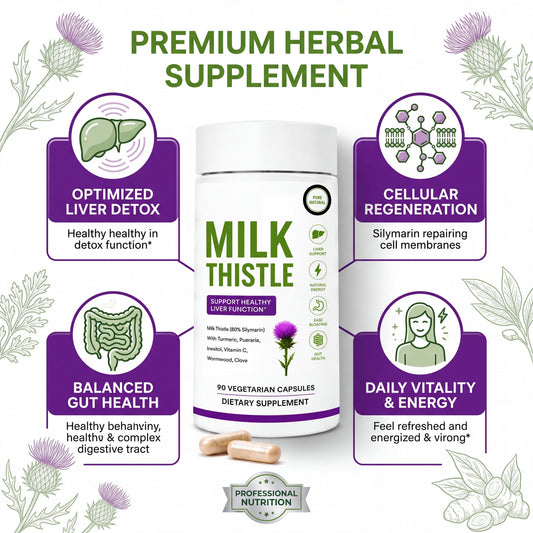
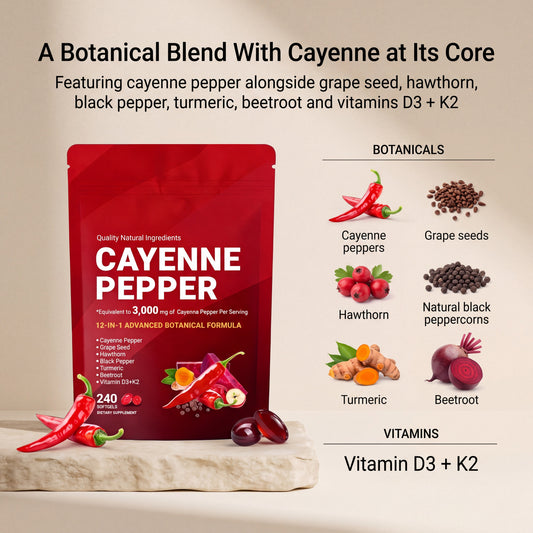
Vegetarian Capsules vs Veggie Capsules: Do These Supplement Label Terms Mean the Same Thing?
Quick Answer “Vegetarian capsules” and “veggie capsules” are commonly used as similar consumer-facing terms for non-gelatin capsule shells, but the wording alone does not identify the...
Sep 23 2026
What Does More Than 100% Daily Value Mean on a Supplement Label?
Quick Answer A % Daily Value above 100% means one labeled serving contains more than the Daily Value used for nutrition labeling. It does not automatically...
Sep 21 2026
mg vs mcg vs IU on Supplement Facts: How to Compare Units Without Misreading Potency
Quick Answer mg, mcg and IU are not interchangeable labels for the same quantity. One milligram (mg) equals 1,000 micrograms (mcg). International Units (IU) are different...
Sep 21 2026
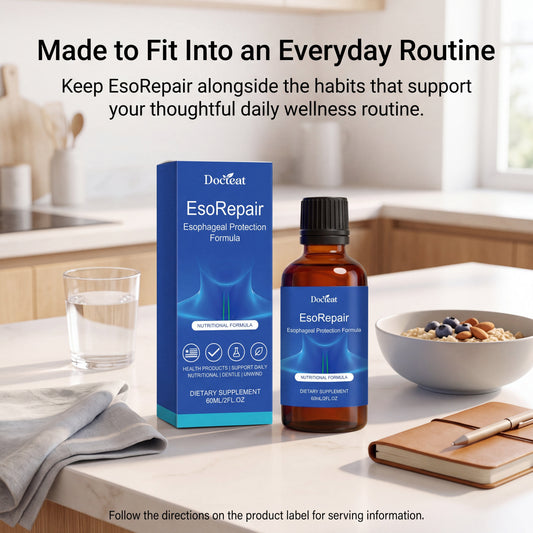
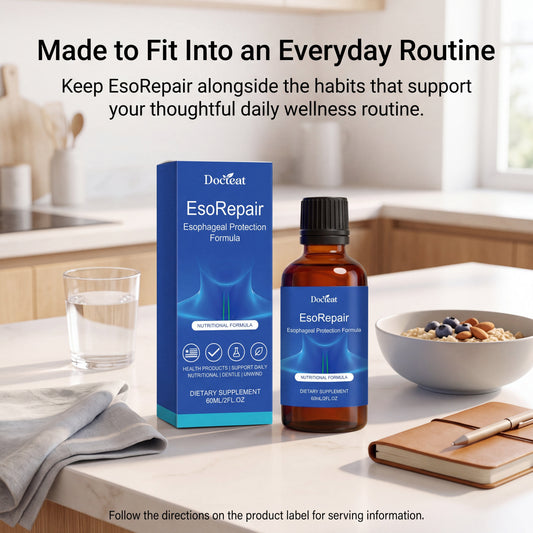
Esophageal Wellness vs Digestive Support Supplements: How to Compare Labels, Serving Size & Product Positioning
Quick Answer “Esophageal wellness” and “digestive support” are product-positioning terms, not standardized ingredient categories. To compare products, read the Supplement Facts panel, serving size, ingredient amounts,...
Sep 20 2026
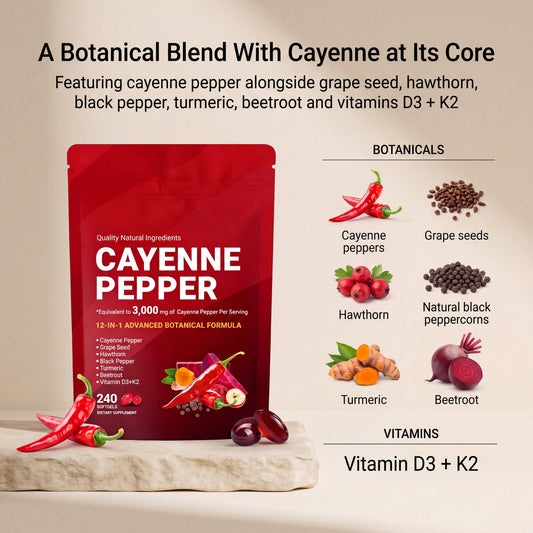
Softgels vs Vegetarian Capsules: Shell Materials, Fill Types & Label Differences
Quick Answer Softgels and vegetarian capsules mainly differ in shell material and the type of fill they are designed to hold. Softgels commonly contain liquid or...
Sep 18 2026
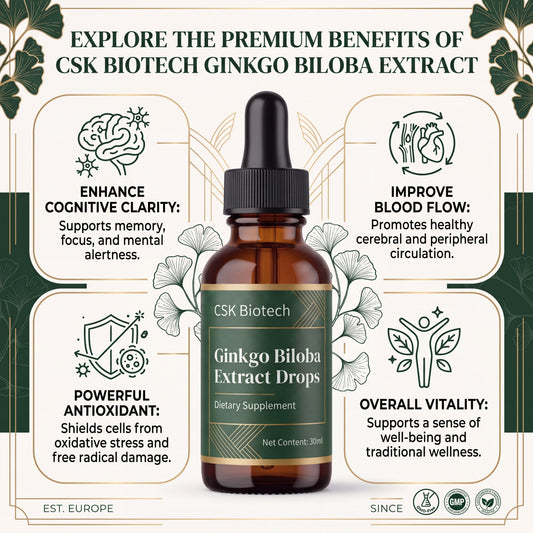
Ginkgo Biloba Standardized Extract: How to Read Flavone Glycosides & Terpene Lactones
Quick Answer A standardized ginkgo extract label gives more information than a simple “ginkgo” ingredient name. Look for the extract amount per serving, the plant part,...
Sep 18 2026
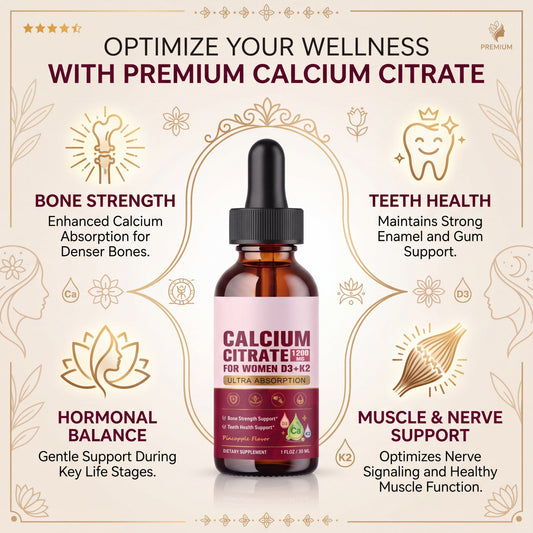
Vitamin D3 + K2 Supplement Labels: IU, mcg, %DV & Combined Formula Differences
Quick Answer To compare vitamin D3 + K2 supplements, read each vitamin separately. Check the serving size, the amount of vitamin D3, the amount and form...
Sep 18 2026
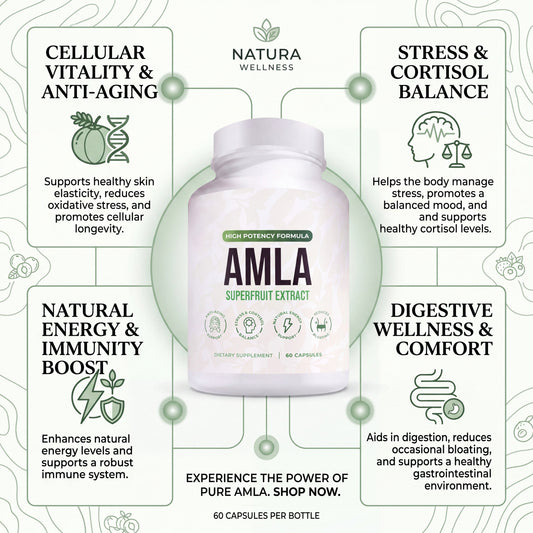
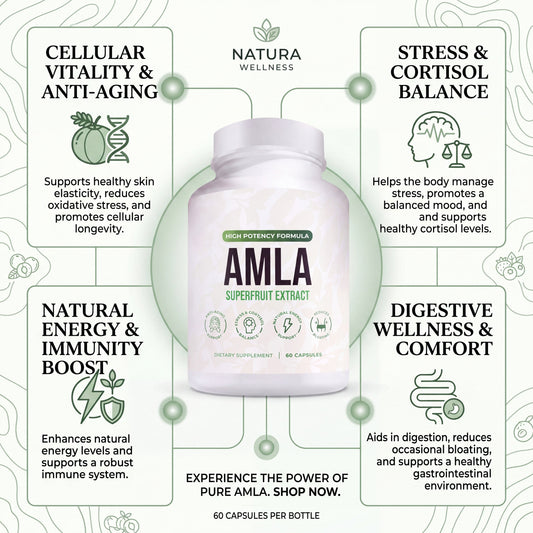
Amla Extract vs Amla Powder: Concentration, Serving Size & Label Differences
Quick Answer Amla extract and amla powder are not automatically equivalent. Powder is usually the dried plant material in a relatively direct form, while an extract...
Sep 18 2026
Other Ingredients on Supplement Labels: Gelatin, Flavors, Carriers & Excipients Explained
Quick AnswerDirect answer: the “Other Ingredients” section lists ingredients that are not declared as dietary ingredients in the Supplement Facts panel. Depending on the product, these...
Sep 17 2026
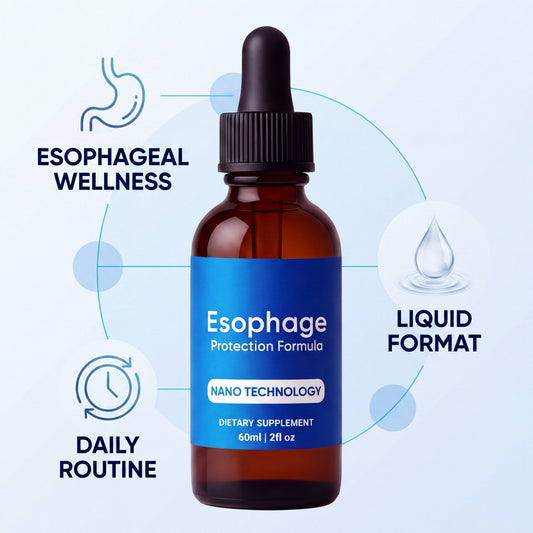
What Does “Nano” Mean in a Liquid Supplement? Delivery Claims, Particle Size & Evidence
Quick AnswerDirect answer: the word “nano” on supplement marketing does not, by itself, prove a specific particle size, better absorption, greater potency, or a better health...
Sep 17 2026
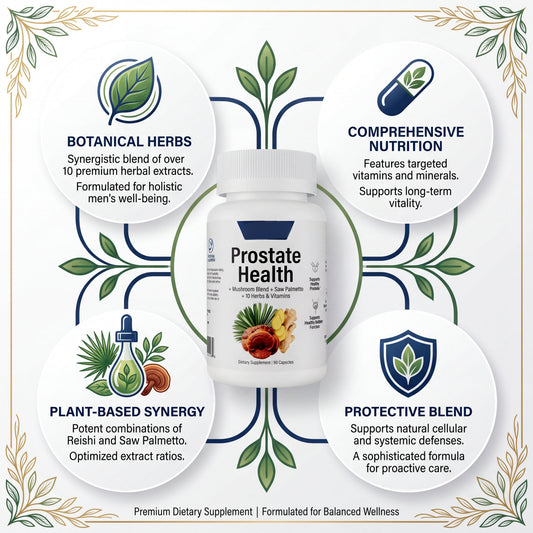
What Does “Proprietary Blend” Mean on a Supplement Label? How to Read Total Blend Weight
Quick AnswerDirect answer: a proprietary blend is a group of dietary ingredients listed together under a blend name. Under U.S. FDA labeling rules, the total weight...
Sep 17 2026
What Does “Daily Value Not Established” Mean on Supplement Facts?
Quick AnswerDirect answer: “Daily Value Not Established” means the U.S. FDA has not set a Daily Value for that dietary ingredient. It does not mean the...
Sep 17 2026