
Hawthorn Berry vs Leaf & Flower Extract: Plant Parts, Extracts & Supplement Label Differences
Quick Answer
Hawthorn supplements are not all made from the same plant part or prepared in the same way. A label may identify hawthorn berry, leaf, flower, or a combined leaf-and-flower extract. To compare products accurately, check the plant part, whether the ingredient is a powder or extract, the amount per serving, any extract ratio or standardization, and the other ingredients in the formula.
Why Does the Hawthorn Plant Part Matter on a Supplement Label?
The word hawthorn can describe several different botanical preparations. A product may use the berry, the leaf, the flower, or a combination of plant parts. Those labels should not be treated as identical just because the front of the bottle says “hawthorn.”
For a broader overview, read Hawthorn Supplements: What Research Says & How to Read the Label.
Hawthorn berry
Berry-based products typically identify the fruit or berry as the plant part. The label may list a powder, an extract, or a botanical-equivalent amount.
Hawthorn leaf and flower
Some products use hawthorn leaf and flower together. When a label specifically names these plant parts, compare that ingredient with other leaf-and-flower products rather than assuming it is interchangeable with a berry-only formula.
Powder vs Extract: What Should You Compare?
A botanical powder generally represents dried, milled plant material. An extract has undergone an extraction step and may be concentrated. The milligram amount on one form should not automatically be compared gram-for-gram with another form.
Useful questions include:
- What plant part is named?
- Is it powder or extract?
- Is an extract ratio shown?
- Is a standardized marker listed?
- What is the amount per serving?
- How many servings are in the bottle?
For help with ratios and equivalent amounts, see 3000 mg, 7500 mg & Standardized Extracts: How Herbal Potency Labels Work.
How Do Multi-Ingredient Circulation Formulas Change the Comparison?
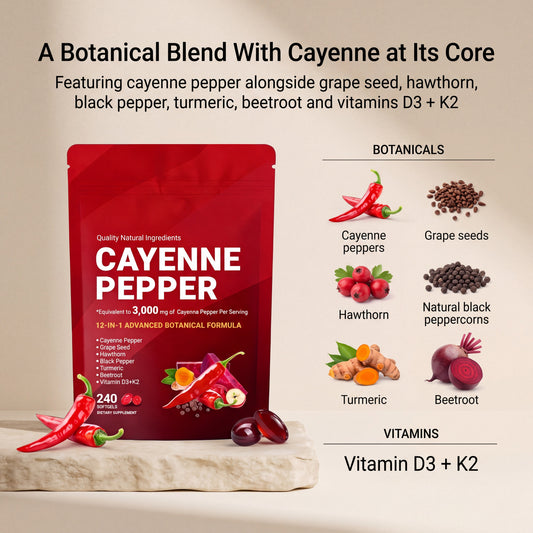
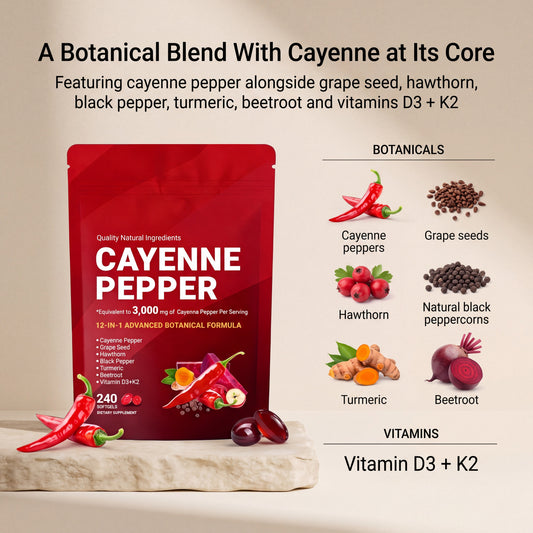
Hawthorn often appears alongside other botanicals or nutrients. In a multi-ingredient formula, the presence of cayenne, beet root, turmeric, vitamin D3, vitamin K2, or other ingredients changes the label-reading task. Instead of focusing only on hawthorn, compare the full serving and look for ingredient overlap across products.
Related reading: Cayenne, Hawthorn, Beet Root & Aged Garlic for Circulation and 12-in-1 Herbal Blends vs Single-Ingredient Supplements.
How Does the Luvixy Hawthorn Product Fit This Checklist?
Luvixy Cayenne Hawthorn Beet Root Drops – D3 + K2, 60 mL is a multi-ingredient liquid product, so shoppers should read its hawthorn ingredient in the context of the complete formula rather than as a stand-alone hawthorn supplement.
You can also browse the Heart & Circulation collection for related products and compare the formula with Aged Garlic Extract 7500 mg Softgels.
How Do You Compare Two Hawthorn Labels Step by Step?
Step 1: Identify the plant part
Look for berry, fruit, leaf, flower, or leaf-and-flower wording.
Step 2: Identify the ingredient form
Determine whether the label lists powder, extract, or an equivalent botanical amount.
Step 3: Compare amounts per serving
Use the Supplement Facts serving size rather than the largest number on the front label.
Step 4: Check the rest of the formula
In a blend, look for nutrients and botanicals that may also appear in other supplements you use.
Frequently Asked Questions
Is hawthorn berry the same as hawthorn leaf and flower?
No. They are different plant parts and should be identified separately when comparing labels.
Can I compare hawthorn powder and extract by milligrams alone?
Not reliably. Ingredient form, extract ratio and serving size can change what the milligram number represents.
Does a higher hawthorn milligram number mean a better product?
No. A larger number is not a quality score. First determine the plant part, ingredient form and serving context.
Why is hawthorn often included in combination formulas?
Brands may combine hawthorn with other botanicals or nutrients to create a broader wellness formula. The key label-reading step is to evaluate the whole serving rather than one highlighted ingredient.
Where can I learn more about beet root and circulation-oriented labels?
Read Beet Root Supplements & Nitrates.
Educational content only. This article is not medical advice. If you use medication or have a cardiovascular condition, discuss supplement use with a qualified healthcare professional.
Related botanical identity guide: Plant-part differences are part of a wider label framework explained in Common Name vs Latin Name on Herbal Supplement Labels.
Tags:
Previous
Softgels vs Vegetarian Capsules: Shell Materials, Fill Types & Label Differences
Next
Soursop Multivitamin vs Single-Ingredient Soursop: How to Compare Labels & Formula Overlap