
What Does “Odorless” Aged Garlic Mean? Aging, Fermentation, Softgels & Label Questions
Quick Answer
“Odorless aged garlic” is a product-description term, not a complete statement of dose or quality. To compare aged garlic supplements, check the actual extract amount, any botanical-equivalent number, the aging or fermentation wording, serving size, softgel count, and the Other Ingredients section.
What Does “Aged Garlic” Mean on a Supplement Label?
Aged garlic products use garlic that has undergone a controlled aging process before or during extract preparation. Labels may describe the duration or processing method, but the wording can vary by brand.
For the broader ingredient comparison, read Aged Garlic Extract vs Regular Garlic: What’s the Difference?.
What Does “Odorless” Mean?
“Odorless” generally describes a product designed to reduce the characteristic garlic odor in normal use. It does not tell you the ingredient amount, extract ratio, or serving size. Those details must be checked elsewhere on the label.
Is Aging the Same as Fermentation?
These terms can overlap in how brands describe manufacturing, but they should not be assumed to mean exactly the same process across every product. If a label specifically states an aging duration, fermentation process, or extract method, treat that wording as product-specific information.
What Does 7500 mg Equivalent Mean?
A botanical-equivalent amount can be larger than the actual extract weight because it describes the amount of starting plant material represented by a concentrated extract. It should not be interpreted as the literal weight of finished extract inside the softgel unless the label says so.
For a full explanation, read 3000 mg, 7500 mg & Standardized Extracts: How Herbal Potency Labels Work.
Why Does the Softgel Format Matter?
Softgels use a sealed shell and often contain liquid or oil-based fills. The format does not establish potency by itself. Compare the amount per serving and read the shell materials in Other Ingredients.
See Softgels vs Vegetarian Capsules for a format comparison.
How Does the Luvixy Aged Garlic Product Fit This Checklist?
Luvixy Aged Garlic Extract 7500 mg – Odorless, 30 Softgels uses an aged-garlic positioning and softgel format. To understand the product accurately, read the Supplement Facts panel together with the serving size and equivalent-mg language.
Browse related products in Heart & Circulation.
How Do You Compare Two Aged Garlic Supplements?
- Check the actual extract amount per serving.
- Separate actual extract weight from botanical-equivalent wording.
- Compare serving size and softgels per serving.
- Look for aging or fermentation details.
- Read Other Ingredients for shell and carrier materials.
- Compare servings per container rather than capsule count alone.
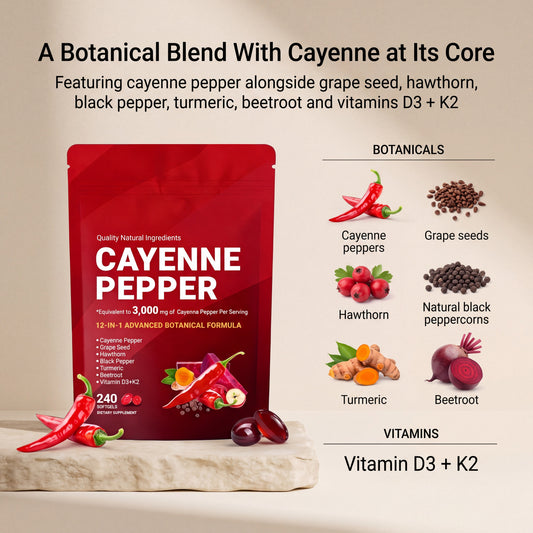
For a broader circulation-oriented cluster, read Cayenne, Hawthorn, Beet Root & Aged Garlic for Circulation.
Frequently Asked Questions
Does “odorless” mean the garlic has been removed?
No. It describes the odor characteristics of the finished product, not the absence of garlic.
Is 7500 mg the amount of extract inside one softgel?
Not necessarily. If the number is an equivalent amount, it represents the starting botanical material rather than the finished extract weight.
Does longer aging automatically mean a better supplement?
No. Aging duration is only one product detail. Label transparency, serving size, extract amount and overall formulation also matter.
Are softgels automatically more potent than capsules?
No. Potency depends on the ingredient amount and form, not the shell format alone.
Where can I learn about days of supply?
Read Does 90 Capsules Mean a 90-Day Supply?. The same serving-size logic applies to a 30-softgel bottle.
Educational content only. Garlic supplements may be relevant to medication and bleeding-risk discussions; consult a qualified healthcare professional if you use prescription medicines.
Tags:
Previous
Calcium Citrate Liquid Drops vs Tablets: Elemental Calcium, Serving Size & D3 + K2 Label Guide
Next
Cayenne Pepper Supplement Labels: Capsaicin, Heat Units, Extracts & “3000 mg Equivalent” Explained