
How to Build a Daily Supplement Routine: A Practical Beginner’s Guide
Quick Answer
Key takeaway: a good supplement routine is usually simpler than a supplement shelf. Start with one clear goal, understand what you already get from food and existing products, compare labels, avoid unnecessary overlap, and add new products only when they have a clear purpose.
Dietary supplements can complement a varied diet and healthy lifestyle, but FDA does not approve them for safety and effectiveness before marketing in the same way it approves drugs. Product labels, evidence quality, and personal health context matter.
Step 1: Start with one primary goal
Luvixy organizes products into goal-based collections: Daily Wellness, Digestive & Liver Support, Heart & Circulation, Energy & Metabolism, Brain & Focus, Men’s Wellness, Women’s Wellness, and Beauty & Skin.
Collections help you browse; they do not mean you need one product from every category.
Step 2: Audit what you already use
Write down your current supplements, fortified foods, medications, and any specialty beverages or powders. Include serving size and major vitamins, minerals, and botanicals. This makes ingredient overlap visible before you add anything new.
Step 3: Read Supplement Facts, not just the front label
The FDA requires most dietary supplements to provide Supplement Facts information including serving size and dietary ingredients. Check:
- serving size and servings per container;
- amount per serving and % Daily Value where applicable;
- ingredient form, such as mineral salt, botanical extract, or standardized extract;
- other ingredients;
- directions, cautions, and storage.
Use our Supplement Facts label guide for a detailed walkthrough.
Step 4: Check for nutrient and botanical overlap
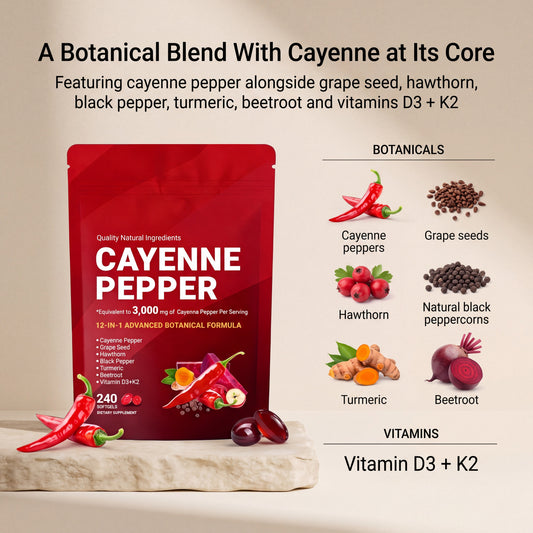
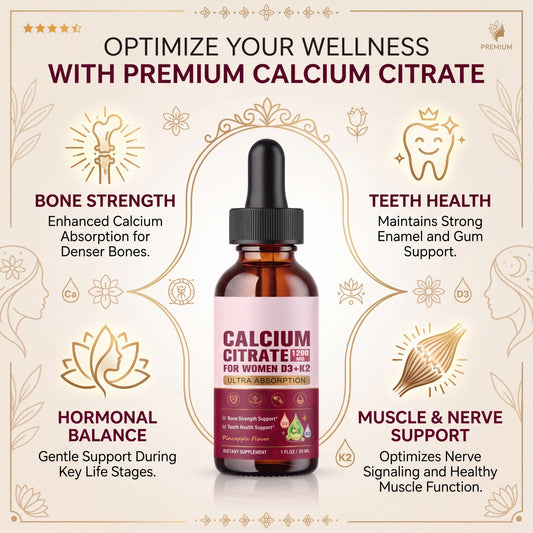
Overlap is common. Calcium products can include vitamin D and K; thyroid-oriented formulas can include iodine, selenium, and zinc; circulation formulas can repeat garlic, hawthorn, cayenne, or beetroot. Different product names do not guarantee different ingredients.
Step 5: Choose a format you can use correctly
Capsules, softgels, and liquid drops each have practical advantages. Format alone does not prove better absorption or effectiveness. See Liquid Drops vs Capsules.
Step 6: Separate “biological role” from “supplement benefit”
A nutrient can be essential to a biological process without meaning that extra supplementation improves that process in someone who already has adequate intake. Iodine is essential for thyroid hormone production, for example, but excess iodine can be harmful. Vitamin D helps calcium absorption, but a supplement does not automatically prevent osteoporosis.
This distinction is one of the most useful ways to avoid exaggerated supplement claims.
Step 7: Check medication and condition interactions
Herbal and nutrient supplements can interact with medicines. Ginkgo and garlic can be relevant to bleeding risk; vitamin K matters with warfarin; minerals can affect the absorption of some medicines; thyroid-oriented supplements require extra caution in diagnosed thyroid disease.
If you take prescription medication, are pregnant or nursing, have a medical condition, or are planning surgery, discuss new supplements with a qualified healthcare professional.
Step 8: Add one change at a time
Starting several products at once makes it harder to identify side effects, tolerability, or whether the routine is unnecessarily complex. One change at a time is easier to evaluate.
Step 9: Reassess periodically
Diet, health conditions, medications, lab results, and product formulations can change. Review whether every product still has a clear purpose and whether its ingredients duplicate anything else.
A simple supplement-routine checklist
| Question | Why it matters |
|---|---|
| What is my primary goal? | Prevents buying products for every possible category. |
| What do I already take? | Reveals nutrient and botanical overlap. |
| What is the serving size? | Prevents bottle-count comparisons from misleading you. |
| What is the evidence? | Separates marketing language from proven outcomes. |
| Does it interact with medication? | Improves safety and helps avoid avoidable problems. |
| Can I use it consistently? | A complicated routine is harder to follow correctly. |
Frequently asked questions
How many supplements should I take every day?
There is no universal number. The appropriate routine depends on diet, age, life stage, health history, medications, and actual nutrient needs. More products are not automatically better.
Can I combine a multivitamin with targeted supplements?
Sometimes, but compare total nutrient intake and repeated ingredients first.
Where should a beginner start?
Start with one clear goal and a label audit. A broad overview such as Wellness Supplements by Goal can help you choose which category is worth researching.
Evidence & references
- U.S. FDA — FDA 101: Dietary Supplements
- NIH Office of Dietary Supplements — Dietary Supplements: What You Need to Know
- NCCIH — Using Dietary Supplements Wisely
Related Luvixy reading
See How to Read a Supplement Facts Label, Liquid Drops vs Capsules, and Wellness Supplements by Goal.
Reviewed and updated by the Luvixy Wellness Team for general educational purposes. This article is not medical advice.
Use these focused guides to audit a routine
- Check Total Vitamin D3 + K2 Across Multiple Supplements
- Read Magnesium Glycinate and Other Magnesium Forms
- Check Zinc + Copper Balance and Overlap
- Calculate Capsule Count, Servings & Days of Supply
New evidence-aware ingredient guides
- NAD+ vs NR vs NMN
- Ashwagandha in Thyroid Support Supplements
- Iodine Supplements vs Iodized Salt
- Hawthorn Supplements: Evidence & Label Guide
- Ginkgo Biloba Extract vs Leaf Powder
New label-audit guides for a simpler routine
- Check Selenium mcg, %DV, Total Intake & Upper Limits
- Understand “Daily Value Not Established”
- Read Proprietary Blend Total Weight
- Check Other Ingredients, Capsule Materials & Flavors
New routine-focused reading: If you use combined formulas, see Soursop Multivitamin vs Single-Ingredient Soursop and L-Tyrosine in Thyroid Support Supplements for overlap-checking examples.
New practical label tools: Use mg vs mcg vs IU to normalize units and the %DV guide to spot nutrient overlap across a routine.
Tags:
Previous
Energy & Focus Supplements: What to Look for in a Daily Routine
Next
Digestive & Liver Support Supplements: A Practical Guide