
How to Read a Supplement Facts Label: Serving Size, Ingredients & Potency
Quick Answer
Key takeaway: the Supplement Facts panel—not the largest number on the front label—is the best starting point for comparing dietary supplements. Read serving size, amount per serving, ingredient form, Daily Value where applicable, and other ingredients together.
The U.S. FDA requires most dietary supplement labels to provide a Supplement Facts panel that includes serving size and dietary ingredient information. This guide explains the terms shoppers most often misread, using examples from the Luvixy catalog.
1. Start with serving size
Serving size tells you the amount of product to which the listed ingredient quantities apply. Bottle size and serving size are not the same thing. A 60 mL bottle, 90-capsule bottle, or 240-softgel bottle may contain many servings.
For Ginkgo Biloba Extract Drops, use the measured liquid serving on the product label. For NAD+ Core Liposomal 250 mg, check how many capsules make one labeled serving.
2. Read the amount per serving
Front-label numbers are meaningful only when you know what they describe. A number can refer to an actual ingredient weight, an equivalent botanical amount, a standardized constituent, or a blend. Confirm the meaning on the Supplement Facts panel and surrounding label text.
3. Understand Daily Value (%DV)
For nutrients with an established Daily Value, the %DV helps place the amount in the context of a reference daily intake. It does not mean that every person needs exactly that amount from supplements. Diet, age, sex, life stage, medical conditions, and medications can change individual needs.
Botanical ingredients often do not have an established Daily Value, so you may see a symbol or statement indicating that a Daily Value has not been established.
4. Know the difference between whole herbs, extracts, and standardized extracts
| Label term | What to notice |
|---|---|
| Whole herb / powder | The listed botanical material and amount per serving |
| Extract | The plant part, extract amount, and any stated extraction ratio |
| Equivalent amount | Whether the number represents source botanical equivalence rather than physical extract weight |
| Standardized extract | The named marker or constituent and its stated percentage or amount |
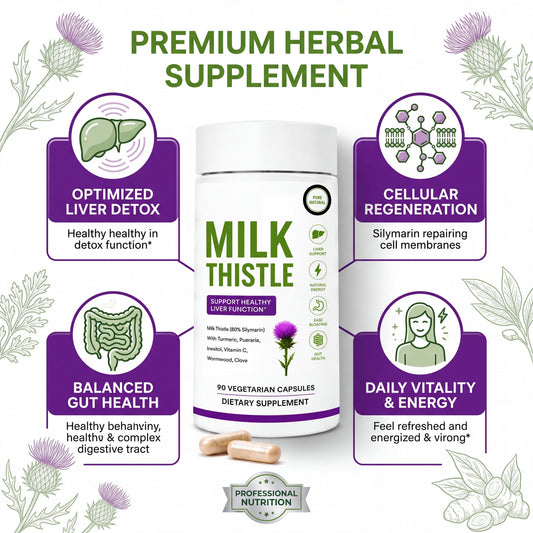
For example, Milk Thistle Liver Support – 80% Silymarin highlights standardization. That is different from simply stating the weight of milk thistle material.
5. What does “equivalent” mean?
Some botanical labels express an extract as equivalent to a larger amount of original plant material. Equivalent wording does not necessarily mean the serving physically contains the entire raw-herb weight.
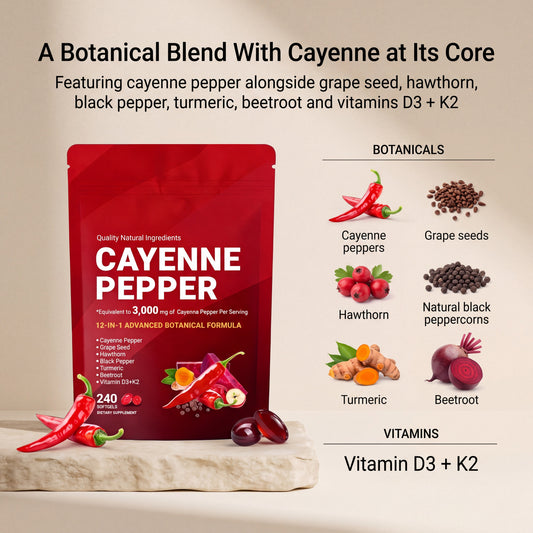
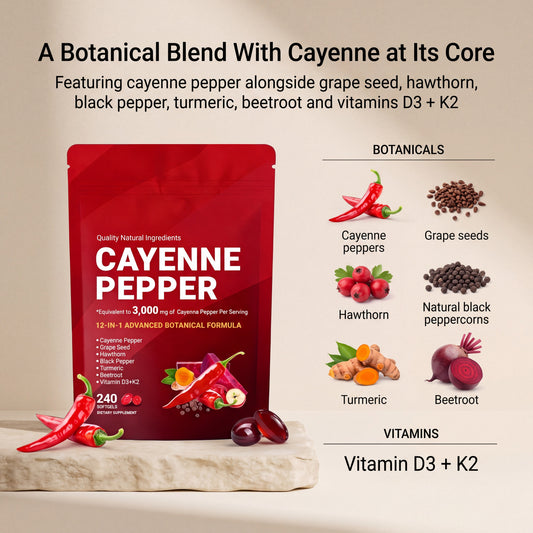
This distinction matters for products such as Cayenne Pepper 12-in-1 Botanical Formula 3000 mg and Odorless Aged Garlic Extract 7500 mg. For a deeper explanation, read How Herbal Potency Labels Work.
6. Check every active ingredient for overlap
Multi-ingredient formulas can share vitamins, minerals, and botanicals. Vitamin D3 and K2 may appear in more than one product; thyroid-oriented products may include iodine, selenium, and zinc that also occur in multivitamins. If you use multiple supplements, compare panels side by side and consider the combined intake.
7. Read “other ingredients” too
The Supplement Facts panel lists dietary ingredients. The separate “other ingredients” list can include capsule materials, flavors, carriers, sweeteners, stabilizers, and other non-dietary components. This section matters for allergies, dietary preferences, and tolerability.
A fast label-reading checklist
- What is one serving?
- How many servings are in the container?
- What is the amount per serving?
- Is a %DV listed?
- Is the ingredient a whole herb, extract, standardized extract, or equivalent amount?
- What plant part or ingredient form is identified?
- Do vitamins, minerals, or botanicals overlap with other products you use?
- What are the “other ingredients”?
- What do the directions and cautions say?
What the label does not tell you by itself
A compliant label provides product information, but it does not prove that a supplement will deliver a specific health outcome. FDA does not approve dietary supplements for safety and effectiveness before they are marketed in the same way it approves drugs. Research may also apply to a specific ingredient preparation that differs from a finished retail product.
Frequently asked questions
Does a bigger milligram number mean a stronger supplement?
Not necessarily. Numbers can describe different ingredient forms, serving sizes, extracts, or equivalent amounts. Compare like with like.
What does standardized extract mean?
It means an extract is prepared to provide a stated level of a selected marker or constituent. Standardization describes composition; it does not automatically prove effectiveness.
Can two different supplements still overlap?
Yes. Different product names can contain the same vitamins, minerals, or botanicals. Check the full panels before stacking products.
Evidence & references
- U.S. FDA — Dietary Supplement Labeling Guide: Nutrition Labeling
- U.S. FDA — Questions and Answers on Dietary Supplements
- NIH Office of Dietary Supplements — Dietary Supplements: What You Need to Know
Related Luvixy reading
Next, see How to Build a Daily Supplement Routine and Liquid Drops vs Capsules.
New label-reading deep dives
- 12-in-1 Herbal Blends vs Single-Ingredient Supplements
- 30 mL vs 60 mL Supplement Drops: Serving Size & Bottle Size Explained
- What Does Liposomal Mean in Supplements?
Reviewed and updated by the Luvixy Wellness Team for general educational purposes. This article is not medical advice.
More focused label & overlap guides
- How to Check Total Vitamin D3 + K2 Across Multiple Supplements
- What Is Magnesium Glycinate? How to Read Magnesium Forms
- Why Are Zinc and Copper Paired in Supplements?
- Does 90 Capsules Mean a 90-Day Supply?
- Turmeric + Black Pepper: What Does Piperine Change?
New ingredient comparison guides
- NAD+ vs NR vs NMN
- Ashwagandha in Thyroid Support Supplements
- Iodine Supplements vs Iodized Salt
- Hawthorn Supplements: Evidence & Label Guide
- Ginkgo Biloba Extract vs Leaf Powder
Latest label-reading deep dives
- Calcium Citrate vs Calcium Carbonate: Absorption, Serving Size & Label Differences
- Milk Thistle Extract vs Silymarin: What Does “80% Silymarin” Mean?
- Saw Palmetto Extract vs Berry Powder: How to Compare Men’s Wellness Labels
- Soursop Multivitamin Drops: How to Read Botanicals, Vitamins & Minerals
Newest Supplement Facts & formulation guides
- What Does “Daily Value Not Established” Mean?
- What Does “Proprietary Blend” Mean?
- Other Ingredients: Gelatin, Flavors, Carriers & Excipients
- Selenium: mcg, %DV, Total Intake & Upper Limits
- What Does “Nano” Mean in a Liquid Supplement?
New botanical identity guide: For herbs, extend the label checklist with Common Name vs Latin Name on Herbal Supplement Labels.
New unit and Daily Value guides: Continue with mg vs mcg vs IU on Supplement Facts and What Does More Than 100% Daily Value Mean?.
Tags:
Previous
What Is PDRN Skincare? A Beginner’s Guide to PDRN Facial Serum
Next
Esophageal Wellness Liquid Supplements: What to Look For