
Thyroid Support Nutrients: Selenium, Zinc, Iodine & More
Quick Answer
Key takeaway: iodine, selenium, and zinc are essential nutrients with roles related to thyroid physiology, but that does not mean extra supplementation improves thyroid function in everyone. Both deficiency and excess intake can matter—especially for iodine—and thyroid disease should not be self-treated with a supplement.
This guide compares common ingredients in thyroid-oriented products, including Thyroid Support Drops with Selenium, Zinc, Iodine & Ashwagandha – 60 mL and Pureveen Thyroid Balance Liquid Drops – 30 mL.
Iodine: essential, but more is not always better
Iodine is an essential component of the thyroid hormones thyroxine (T4) and triiodothyronine (T3), according to the NIH Office of Dietary Supplements. Iodine deficiency can impair thyroid hormone production, but excessive iodine intake can also cause thyroid problems in susceptible people.
That means “thyroid support” should never be interpreted as “take as much iodine as possible.” Consider food sources, iodized salt, multivitamins, and other specialty formulas together.
Selenium and thyroid hormone metabolism
Selenium is an essential trace mineral used in selenoproteins involved in antioxidant defense and thyroid hormone metabolism. Research has examined selenium in various thyroid conditions, but supplementation beyond adequate intake is not automatically beneficial. Total dietary and supplemental intake matters.
Zinc
Zinc is essential for many enzymes, immune function, protein synthesis, and other normal processes. It can appear in thyroid-oriented formulas, but its presence does not establish that a person is deficient or that extra zinc will correct thyroid symptoms.
L-tyrosine and ashwagandha are different ingredient types
L-tyrosine is an amino acid used by the body as a building block in several pathways. Ashwagandha is a botanical. Their inclusion in a thyroid-positioned formula does not make them equivalent to iodine, selenium, or zinc, and evidence for a specific finished product should not be inferred from ingredient familiarity alone.
Compare Luvixy thyroid-oriented liquids
| Product | Format | Shopping focus |
|---|---|---|
| Thyroid Support Drops with Selenium, Zinc, Iodine & Ashwagandha | 60 mL liquid | Nutrient + botanical blend |
| Pureveen Thyroid Balance Liquid Drops | 30 mL liquid | Different mineral/botanical profile |
Two products in the same retail category are not automatically meant to be stacked. Compare the complete panels for repeated iodine, selenium, zinc, magnesium, copper, or botanicals.
Thyroid medication changes the decision
People taking levothyroxine or other thyroid medication should discuss supplements with a clinician or pharmacist. Minerals such as calcium and iron can interfere with levothyroxine absorption when taken too close together, and thyroid-focused formulas can complicate interpretation of symptoms or lab results.
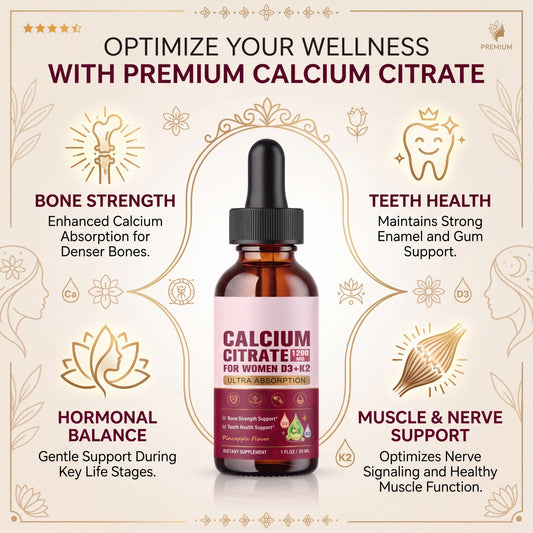
If you also use a calcium product such as Calcium Citrate with D3 + K2, medication timing becomes especially important. See our Calcium Citrate with D3 + K2 guide.
Who should use extra caution?
- People with Hashimoto’s disease, Graves’ disease, thyroid nodules, or another diagnosed thyroid condition.
- People taking thyroid medication or medications that affect thyroid function.
- Anyone who is pregnant, nursing, or planning pregnancy.
- People taking multiple multivitamins, mineral formulas, or seaweed/kelp products that may add iodine.
Frequently asked questions
Can a thyroid supplement replace thyroid medication?
No. A dietary supplement is not a substitute for diagnosed thyroid disease treatment or lab-guided medical care.
Is more iodine better for thyroid wellness?
No. Iodine is essential, but excessive intake can be harmful and can worsen thyroid dysfunction in some people.
Should I take selenium if I have a thyroid condition?
That depends on diagnosis, dietary status, total intake, and clinician guidance. Being involved in thyroid physiology does not mean extra selenium is beneficial for every thyroid condition.
Evidence & references
- NIH Office of Dietary Supplements — Iodine Fact Sheet
- NIH Office of Dietary Supplements — Selenium Fact Sheet
- NIH Office of Dietary Supplements — Zinc Fact Sheet
Related Luvixy reading
See Energy & Focus Supplements, How to Read a Supplement Facts Label, and How to Build a Daily Supplement Routine.
Reviewed and updated by the Luvixy Wellness Team for general educational purposes. This article is not medical advice and is not intended to diagnose or treat thyroid disease.
More mineral-focused guides
- What Is Magnesium Glycinate? How to Read Magnesium Forms
- Why Are Zinc and Copper Paired in Supplements?
- How to Check D3 + K2 Across Multiple Supplements
New thyroid ingredient deep dives
- Ashwagandha in Thyroid Support Supplements: Safety & Evidence
- Iodine from Supplements vs Iodized Salt
New selenium intake deep dive
For a focused explanation of micrograms, %DV, nutrient overlap, and the U.S. adult upper limit, read Selenium in Thyroid Supplements: How to Check mcg, %DV, Total Intake & Upper Limits.
New related guide: See L-Tyrosine in Thyroid Support Supplements for a serving-size and ingredient-overlap checklist. Product example: Thyroid Support Drops – 60 mL.
New comparison guide: Apply these nutrient concepts to Thyroid Support Drops 30 mL vs 60 mL.
Tags:
Previous
Cayenne, Hawthorn, Beet Root & Aged Garlic for Circulation
Next
NAD+ and Ginkgo Biloba: Energy, Focus & Healthy Aging Guide