
Amla (Indian Gooseberry) Supplements: Extracts, Antioxidants & What Research Says
Quick Answer
Amla is a fruit also known as Indian gooseberry, commonly identified in scientific literature as Phyllanthus emblica or Emblica officinalis. It has a long history of traditional use and is now sold in powders, foods, extracts, capsules, and beauty-oriented wellness products.
Modern supplement marketing often emphasizes amla’s polyphenols and antioxidant-related properties, but shoppers should separate three ideas: the fruit’s traditional use, laboratory antioxidant measurements, and outcomes demonstrated in human clinical trials. They are not the same level of evidence.
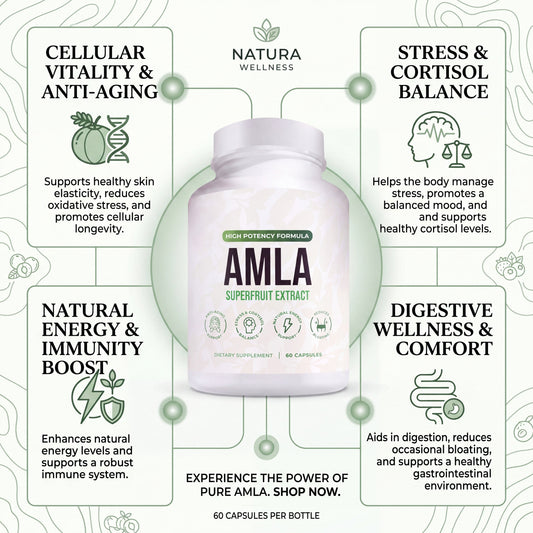
This guide uses Luvixy Amla Superfruit Extract – Antioxidant Daily Wellness Capsules as a practical example and connects to our Amla and PDRN beauty routine guide.
What is amla?
Amla is a small, tart fruit native to South Asia and widely used in food and traditional wellness practices. In supplements, the fruit may be dried, powdered, concentrated, or extracted. The botanical name helps shoppers recognize that “amla” and “Indian gooseberry” generally refer to the same plant.
Because manufacturers can use different plant materials and extraction methods, two products labeled “amla extract” are not automatically equivalent.
What does “amla extract” mean?
An extract is a preparation in which selected components from the source material are concentrated or transferred into a finished ingredient. The label may provide an extract weight, an extract ratio, a standardized constituent, or an equivalent raw-fruit amount.
Those measures should not be mixed together. For help interpreting extract ratios and equivalent milligrams, read How Herbal Potency Labels Work.
Why is amla called an antioxidant superfruit?
Amla contains vitamin C and a range of plant compounds, including polyphenols. These characteristics help explain why the fruit is frequently positioned in antioxidant and wellness categories.
However, “antioxidant” on a product page does not automatically mean a supplement has been proven to prevent disease, reverse aging, or produce visible skin changes. Laboratory antioxidant activity is not the same as a demonstrated clinical outcome in people.
What does human research on amla show?
Human research is promising in some areas but remains limited in size and consistency. A 2023 meta-analysis of randomized controlled trials evaluating amla supplementation and cardiometabolic outcomes included only a small number of trials. Another systematic review found potential improvements in several metabolic markers but emphasized the limited number of studies and heterogeneity among trials.
That means amla is a reasonable subject for ongoing research, but the existing evidence does not justify presenting an ordinary retail supplement as a treatment for high cholesterol, diabetes, cardiovascular disease, or other diagnosed conditions.
How does amla fit a beauty-and-wellness routine?
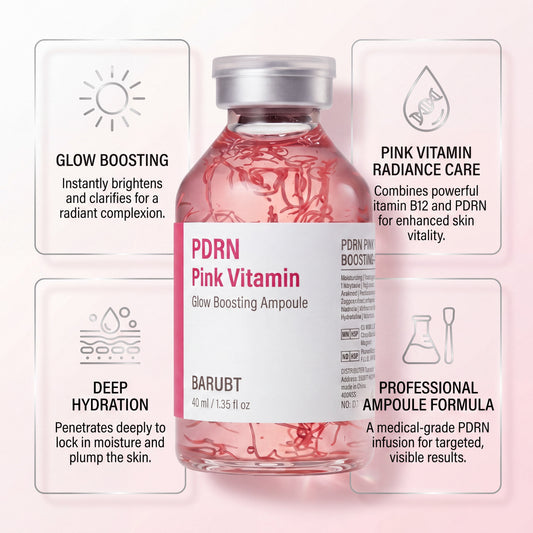
Luvixy Amla Superfruit Extract is an oral dietary supplement. It should be kept conceptually separate from topical products such as PDRN Pink Vitamin Glow Boosting Ampoule – 40 mL Facial Serum.
The two can sit in the same broader Beauty & Skin category, but an ingestible botanical and a topical facial serum have different routes of use, label requirements, evidence, and expectations. Our Amla and PDRN guide explains that distinction in more detail.
How should you compare amla supplements?
| Label detail | What to ask |
|---|---|
| Botanical identity | Does the label clearly identify amla / Indian gooseberry and, when provided, the botanical name? |
| Ingredient form | Is it fruit powder, extract, standardized extract, or a blend? |
| Amount | Is the milligram number an actual ingredient weight or an equivalent amount? |
| Serving size | How many capsules or servings does the labeled amount represent? |
| Other ingredients | Is amla the main ingredient or part of a multi-ingredient formula? |
| Claims | Does the marketing stay within realistic wellness language rather than disease-treatment promises? |
Can amla be taken with other supplements?
Potential compatibility depends on the full formula, dose, medications, and individual health circumstances. If you use several supplements, start by checking ingredient overlap with our daily supplement routine guide and Supplement Facts guide.
Frequently asked questions
Is amla the same as Indian gooseberry?
Yes. Amla and Indian gooseberry are common names used for the same fruit. Scientific literature may use Phyllanthus emblica or Emblica officinalis.
Is amla naturally high in vitamin C?
Amla fruit contains vitamin C, but the amount in a finished extract depends on processing and formulation. Do not assume a capsule provides a particular vitamin C dose unless the label declares it.
Does amla improve skin glow?
Amla is often positioned in beauty-and-wellness routines, but a visible skin outcome should not be assumed from the word “antioxidant.” Skin appearance is influenced by many factors, and finished-product evidence matters.
Can amla treat high cholesterol or diabetes?
No dietary supplement should be used as a substitute for diagnosis or prescribed treatment. Small clinical trials have explored metabolic outcomes, but the evidence remains too limited and heterogeneous to turn a retail amla product into a disease treatment claim.
Related Luvixy guides
- Amla and PDRN: Building a Daily Beauty & Glow Routine
- How Herbal Potency Labels Work
- How to Read a Supplement Facts Label
- Wellness Supplements by Goal
Sources & references
- PubMed: Amla supplementation and cardiometabolic outcomes — systematic review/meta-analysis
- PubMed: Clinical evidence on amla — systematic review
- NCCIH: Using Dietary Supplements Wisely
This article is for general educational purposes and is not medical advice. Dietary supplements are not intended to diagnose, treat, cure, or prevent disease.
Related Luvixy reading: Compare ingredient forms in Amla Extract vs Amla Powder. Product example: Amla Superfruit Extract capsules.
Tags:
Previous
What Does Liposomal Mean in Supplements? A Beginner’s Guide
Next
30 mL vs 60 mL Supplement Drops: Serving Size, Dropper Use & Bottle Size Explained