
30 mL vs 60 mL Supplement Drops: Serving Size, Dropper Use & Bottle Size Explained
Quick Answer
A 60 mL supplement bottle is not automatically stronger than a 30 mL bottle. The numbers 30 mL and 60 mL describe the total liquid volume in the container. They do not, by themselves, tell you the dose per serving, concentration, number of servings, ingredient potency, or how many days the bottle will last.
To compare liquid supplements accurately, read serving size, servings per container, amount per serving, and the product directions. This guide uses Luvixy’s current 30 mL and 60 mL liquid products to show how.
What does 30 mL or 60 mL mean on a supplement bottle?
It is the container’s total liquid volume. One milliliter is a unit of volume. A 60 mL bottle contains twice the total liquid volume of a 30 mL bottle, but that does not mean it contains twice the amount of every active ingredient.
Different products can use different serving sizes and concentrations. The only reliable comparison is the information on each product’s label.
30 mL vs 60 mL: what bottle size tells you—and what it does not
| Question | Does 30/60 mL answer it? |
|---|---|
| How much total liquid is in the bottle? | Yes |
| How much is one serving? | No — read serving size |
| How much active ingredient is in one serving? | No — read Supplement Facts |
| How many servings are in the bottle? | No — check servings per container |
| Which bottle is stronger? | No |
| How many days will it last? | Not without the serving directions |
How do you calculate how long a liquid supplement lasts?
Use the manufacturer’s labeled serving size and servings-per-container information rather than estimating from bottle volume. If the label provides servings per container, that is the simplest reference. If directions vary by product, do not transfer the serving size from one dropper bottle to another.
Importantly, avoid assuming that a “full dropper” always equals the same number of milliliters. Droppers and markings can differ by package.
Examples of Luvixy 30 mL liquid products
Luvixy currently carries several 30 mL products, including:
- Ginkgo Biloba Extract Drops – Brain & Focus Support, 30 mL
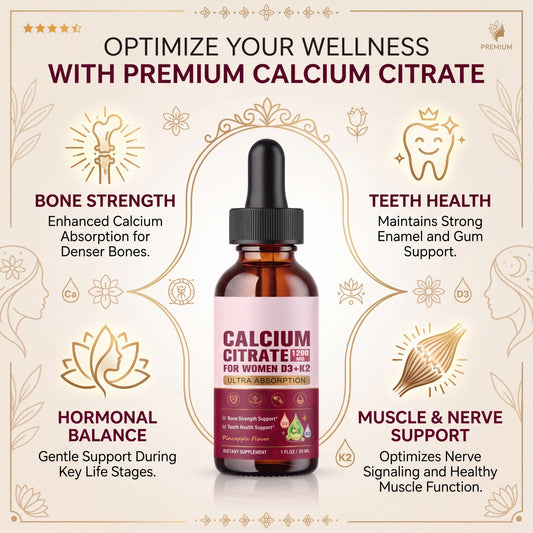
- Calcium Citrate 1200 mg with D3 + K2 for Women – 30 mL Drops
- Pureveen Thyroid Balance Liquid Drops – 30 mL
These products share a bottle-volume category, but they contain different ingredients and serve different wellness categories. A 30 mL ginkgo formula cannot be compared with a 30 mL calcium formula based on bottle size alone.
Examples of Luvixy 60 mL liquid products
Luvixy’s 60 mL liquid range includes:
- Organic Soursop Multivitamin Liquid Drops – 60 mL
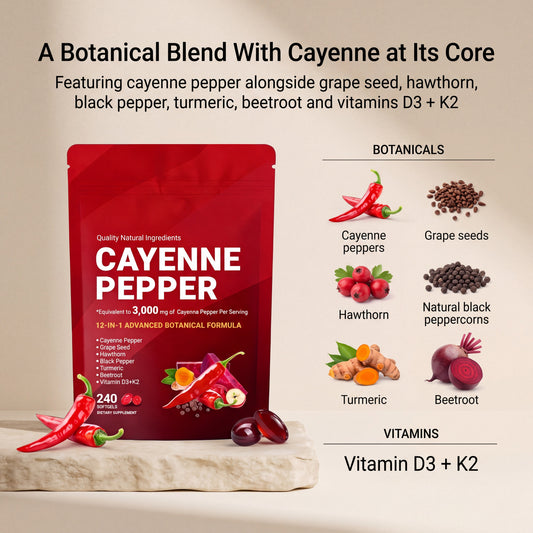
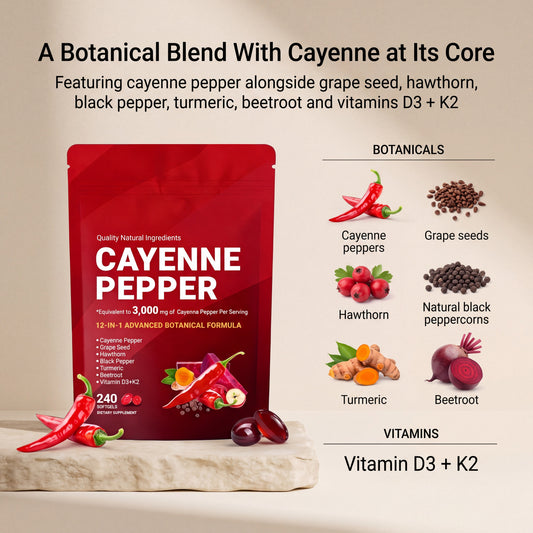
- Cayenne, Hawthorn & Beet Root Circulation Drops with D3 + K2 – 60 mL
- Thyroid Support Drops with Selenium, Zinc, Iodine & Ashwagandha – 60 mL
- Esophage Daily Esophageal Wellness Liquid – 60 mL
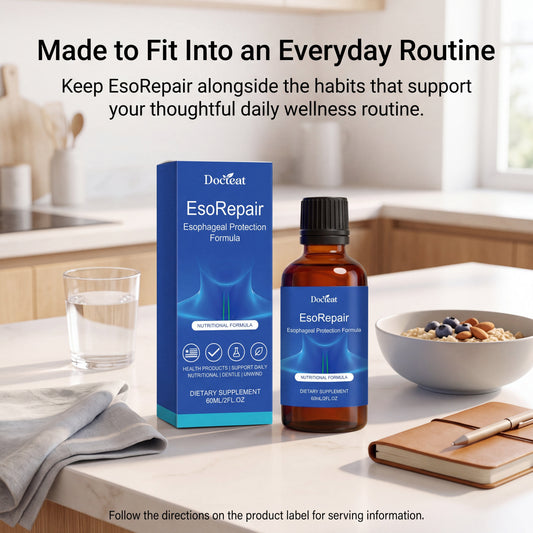
- Docteat EsoRepair Esophageal Wellness Formula – 60 mL
Again, these products have the same total bottle volume but different ingredients, serving directions, and intended wellness categories.
What should you compare instead of bottle size?
- Serving size: the amount of liquid represented by the Supplement Facts panel.
- Servings per container: how many labeled servings the package contains.
- Amount per serving: the amount of each dietary ingredient in one serving.
- Ingredient form: whole botanical, extract, standardized extract, vitamin, mineral, or blend.
- Directions: when and how the manufacturer says to measure the product.
- Overlap: whether nutrients or botanicals are already present in other supplements you use.
For a full label-reading framework, see How to Read a Supplement Facts Label.
Are liquid drops better than capsules?
Not inherently. Drops can be convenient for people who prefer liquid formats, while capsules and softgels are pre-portioned and portable. Absorption and effectiveness depend on the specific ingredient and formulation, not simply whether it is liquid.
See our detailed Liquid Drops vs Capsules guide.
How should a dropper be used?
Use the measuring device supplied with the product and follow its label directions. If the dropper has measurement markings, use those markings rather than estimating by eye. Do not assume the same dropper size or “number of drops” applies to another product.
FDA dietary-supplement labeling rules require serving information on the Supplement Facts panel. For liquid products, serving size may be stated in an appropriate household measure and metric quantity, depending on the product.
Frequently asked questions
Is 60 mL twice as strong as 30 mL?
No. It contains twice the total liquid volume, but strength depends on the concentration and amount of active ingredients per serving.
Does a 60 mL bottle last twice as long?
Not necessarily. It depends on the labeled serving size and frequency of use.
How many drops are in 1 mL?
There is no universal supplement rule that should be applied across all droppers and liquids. Drop size varies with the dropper design and liquid properties. Use the supplied measuring device and label directions.
Can I use the dropper from one supplement with another?
It is better to use the measuring device supplied with each product because dropper capacity and markings can differ.
Can I compare two liquid supplements by milligrams on the front label?
Only if you first confirm that the numbers refer to the same measurement and the same serving basis. Botanical equivalent amounts, actual extract weights, and nutrient amounts are not interchangeable.
Related Luvixy guides
- Liquid Drops vs Capsules
- How to Read a Supplement Facts Label
- How to Build a Daily Supplement Routine
- Soursop (Graviola) Drops Guide
- Thyroid Support Nutrients Guide
- Calcium Citrate with D3 + K2 Guide
Sources & references
This article is for general educational purposes and is not medical advice. Dietary supplements are not intended to diagnose, treat, cure, or prevent disease.
New product-specific examples: Apply bottle-size principles to Thyroid Support Drops 30 mL vs 60 mL and Esophageal Wellness vs Digestive Support Supplements.
New value guide: Bottle volume is only one part of value; see How to Calculate Supplement Cost Per Serving.
60 mL comparison example: See EsoRepair vs Esophage Daily for why equal bottle volume does not mean equal formula or serving count.
Tags:
Previous
Amla (Indian Gooseberry) Supplements: Extracts, Antioxidants & What Research Says
Next
Can You Take Multiple Supplements with Vitamin D3 + K2? How to Check Total Daily Intake