
Amla Extract vs Amla Powder: Concentration, Serving Size & Label Differences
Quick Answer
Amla extract and amla powder are not automatically equivalent. Powder is usually the dried plant material in a relatively direct form, while an extract is processed to concentrate selected soluble compounds. To compare two labels, look at the serving size, the actual amount of extract or powder, any extract ratio, any standardized marker percentage, and whether the label lists a “herb equivalent” amount.
What Is the Difference Between Amla Extract and Amla Powder?
Amla, also called Indian gooseberry, can appear on supplement labels in several forms. Two common forms are whole-fruit or whole-plant powder and botanical extract. The important SEO and shopping question is not simply which name sounds stronger; it is what the label actually tells you about the ingredient amount and preparation.
Amla powder
A powder is generally made by drying and milling plant material. A label may list it simply as “amla fruit powder” or “Indian gooseberry powder,” followed by a weight such as milligrams per serving.
Amla extract
An extract is produced by using a solvent or other extraction process to separate selected components from the starting plant material. The label may list only the extract weight, or it may also show an extract ratio such as 10:1, a standardized percentage, or a botanical equivalent.
For a broader introduction to the ingredient, read Amla (Indian Gooseberry) Supplements: Extracts, Antioxidants & What Research Says.
How Do You Compare Concentration on the Label?
Start with the amount per serving, not the number printed most prominently on the front of the package. Then identify whether that amount refers to powder, extract, or a calculated equivalent.
Step 1: Check serving size
If one product uses one capsule per serving and another uses two capsules, compare the total amount per serving rather than the amount per capsule.
Step 2: Look for extract-ratio language
If an amla extract is labeled with a ratio such as 10:1, that ratio describes the relationship between starting botanical material and finished extract under that manufacturer’s process. It should not be treated as a universal measure of quality by itself.
Step 3: Separate extract weight from “equivalent” weight
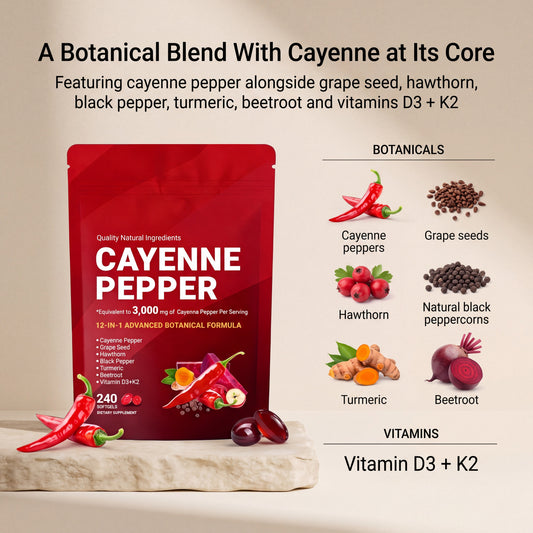
Some botanical labels show an extract amount and then a larger “equivalent to” figure. These are different pieces of information. Our guide 3000 mg, 7500 mg & Standardized Extracts: How Herbal Potency Labels Work explains why equivalent milligrams should not be compared as though they were always the actual weight inside the capsule.
Does a Higher Milligram Number Mean a Better Amla Supplement?
No. A higher number alone does not establish better quality. Milligrams can refer to different ingredient forms, serving sizes, or calculated equivalents. A lower-weight concentrated extract and a higher-weight powder are not necessarily comparable on a simple mg-for-mg basis.
Useful label questions include:
- Is the listed amount powder or extract?
- What plant part is identified?
- Is an extract ratio provided?
- Is a standardized marker listed?
- Is the number per capsule or per serving?
- Are there other ingredients that change the total serving size?
How Does This Fit Into a Beauty and Daily-Wellness Routine?
Amla is often positioned in daily-wellness and beauty-from-within categories, but shoppers should still evaluate the actual product label rather than relying on broad front-label language. If you are comparing a supplement with topical skincare, the product format and intended use are fundamentally different.
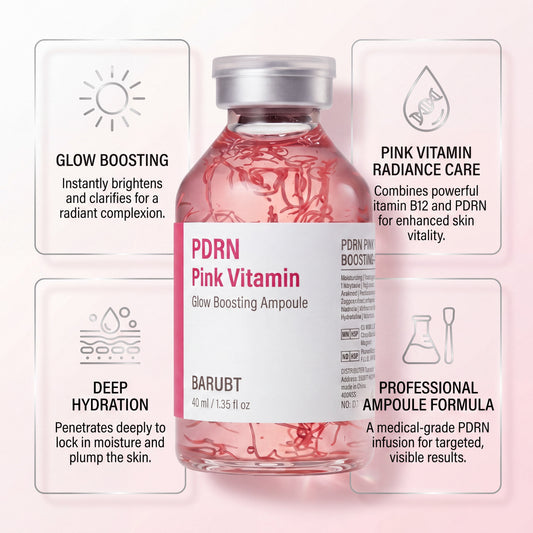
For that distinction, see Amla and PDRN: Building a Daily Beauty & Glow Routine and Wellness Supplements by Goal.
What Should You Look for Before Buying Amla?
- A clear Supplement Facts panel
- Serving size and servings per container
- Exact botanical name or common ingredient name
- Powder vs extract identification
- Extract ratio or standardization details when used
- Other ingredients and capsule materials
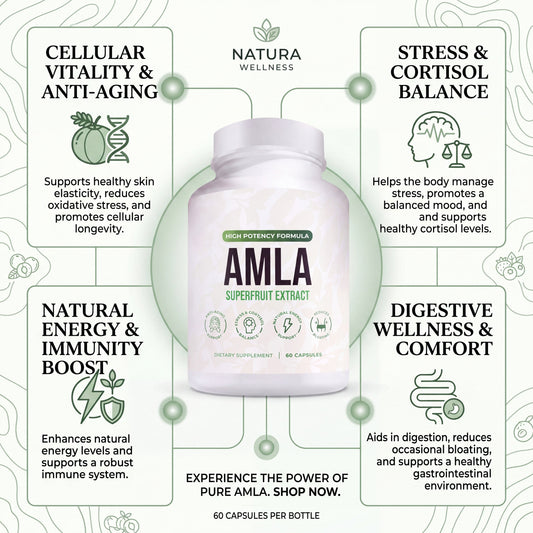
You can also review the Luvixy Amla Superfruit Extract capsules and browse the Beauty & Skin collection to see how this type of product is presented in a real store context.
Frequently Asked Questions
Is amla extract the same as amla powder?
No. They are different ingredient forms. Powder is generally milled plant material, while extract has undergone an extraction step and may be more concentrated.
What does an amla extract ratio mean?
It describes the relationship between starting botanical material and the resulting extract under a specific manufacturing process. It is useful context, but it should be read together with serving size and extract weight.
Can I compare amla products only by milligrams?
Not reliably. First determine whether the number refers to powder, extract, or a botanical-equivalent amount.
What is the most important number on an amla label?
There is no single number that tells the whole story. Start with serving size and ingredient form, then read the amount per serving and any ratio or standardization details.
Where can I learn how to read botanical potency labels?
See our guides on how to read a Supplement Facts label and herbal potency and equivalent milligrams.
Educational content only. This article is not medical advice and does not diagnose, treat, cure, or prevent disease.
Related botanical identity guide: See how common names, Latin names, plant parts and extract forms fit together in Common Name vs Latin Name on Herbal Supplement Labels.
Related comparison: See how amla capsule labeling differs from a liquid multivitamin botanical formula in Amla vs Soursop Supplements.
Tags:
Previous
Other Ingredients on Supplement Labels: Gelatin, Flavors, Carriers & Excipients Explained
Next
Vitamin D3 + K2 Supplement Labels: IU, mcg, %DV & Combined Formula Differences