
Common Name vs Latin Name on Herbal Supplement Labels: Botanical Identity, Plant Part & Extract Form
Quick Answer
Herbal supplement labels can use a common name, a Latin botanical name, a plant part, and an ingredient form—all of which answer different questions. “Amla,” “Indian gooseberry,” and a Latin species name can identify the same botanical, while “fruit,” “leaf,” “seed,” “root,” “powder,” and “extract” tell you which part and preparation the product uses.
Why Do Herbal Labels Use Both Common and Latin Names?
Common names are easier for shoppers to recognize, but different plants can sometimes share similar common names. A Latin botanical name can provide more precise species identification.
Common name
Examples include amla, ginkgo, hawthorn, milk thistle, garlic and cayenne.
Latin botanical name
This is the scientific genus-and-species name used to identify the botanical more precisely. Not every consumer-facing label displays it with the same prominence.
Why Is the Plant Part Important?
Different products can use different parts of the same plant. A label may specify fruit, berry, leaf, flower, seed, root or another part. If two products use different plant parts, they should not automatically be treated as identical ingredients.
For a concrete example, read Hawthorn Berry vs Leaf & Flower Extract.
What Is the Difference Between Powder and Extract?
Powder is generally dried, milled plant material. Extract has undergone an extraction process and may be concentrated. A label can also include an extract ratio, standardized marker percentage or botanical-equivalent amount.
See How Herbal Potency Labels Work for extract ratios and equivalent milligrams.
How Does This Apply to Amla?
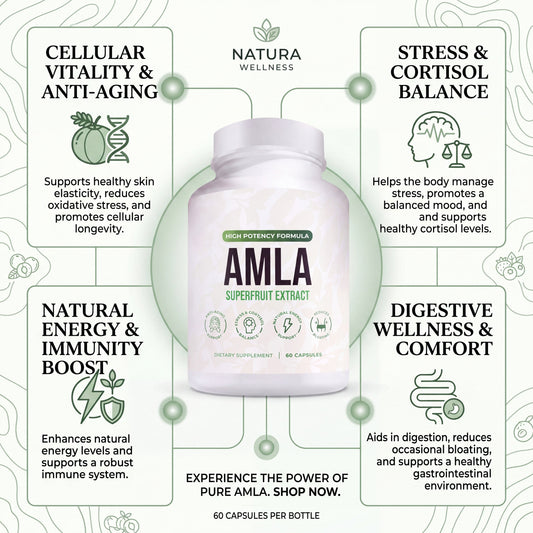
Amla may also be called Indian gooseberry. When comparing amla products, look for the botanical identity, plant part, powder-versus-extract wording and serving amount.
Read Amla Extract vs Amla Powder and view Luvixy Amla Superfruit Extract.
How Does This Apply to Ginkgo?
Ginkgo labels may distinguish leaf powder from standardized extract. Marker compounds and extract standardization can add another layer of information beyond the plant name itself.
See Ginkgo Biloba Extract vs Leaf Powder and Ginkgo Standardized Extract Label Guide.
How Does This Apply to Milk Thistle?
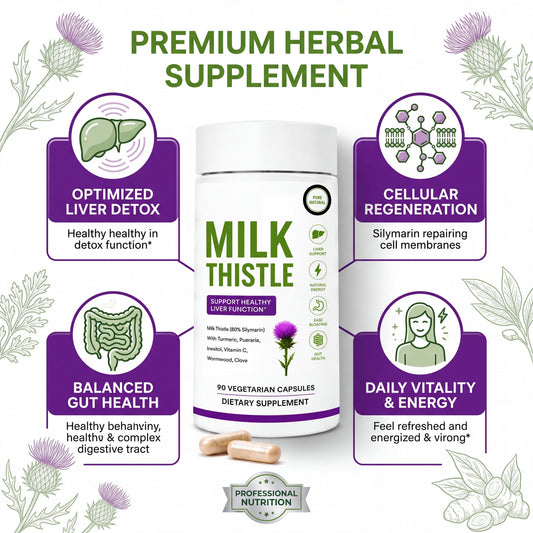
Milk thistle products often focus on seed material or seed extract, and some extracts are standardized to silymarin. The botanical name alone does not tell you the extract amount or silymarin percentage.
Read Milk Thistle Extract vs Silymarin.
What Should You Record When Comparing Herbal Products?
- Common name
- Latin botanical name, if shown
- Plant part
- Powder, extract or standardized extract
- Extract ratio, if listed
- Standardized marker, if listed
- Amount per serving
- Other ingredients and blend context
How Does This Connect to Luvixy Botanical Products?
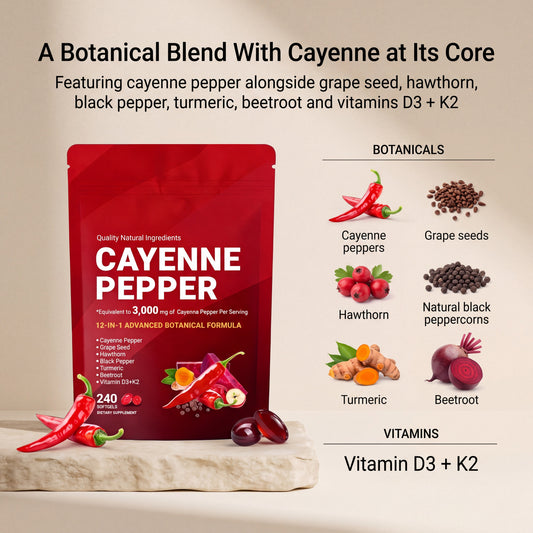
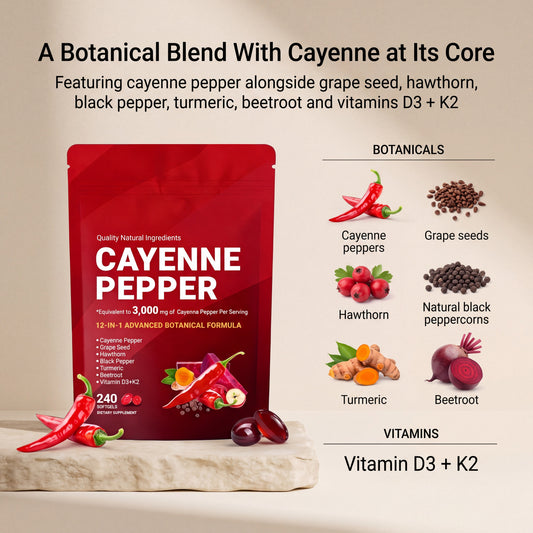
The same checklist can be applied across Ginkgo Biloba Extract Drops, Milk Thistle Silymarin Liver Support, Cayenne Pepper 12-in-1 Softgels, and Aged Garlic Extract Softgels.
Frequently Asked Questions
Is a common name enough to identify an herb?
It can be useful, but a Latin botanical name and plant part provide more precise identification when available.
Does the Latin name tell me the dose?
No. Dose is listed separately as the amount per serving.
Does “extract” always mean standardized extract?
No. Standardization must be specifically stated.
Can two products use the same plant but different plant parts?
Yes. That is one reason plant-part labeling matters.
Where can I learn how to read the complete Supplement Facts panel?
See How to Read a Supplement Facts Label.
Educational content only. This guide explains label terminology and does not provide medical advice.
Browse related botanical categories: Brain & Focus, Digestive & Liver Support, and Heart & Circulation.
Related botanical example: Apply botanical identity and format checks in Amla vs Soursop Supplements.
Tags:
Previous
Thyroid Support Drops 30 mL vs 60 mL: How to Compare Serving Size, Iodine, Selenium & Zinc
Next
mg vs mcg vs IU on Supplement Facts: How to Compare Units Without Misreading Potency