
Supplement Facts vs Marketing Claims: How to Compare Wellness Products Before Buying
Quick Answer
The most useful way to compare wellness supplements is to separate front-label marketing claims from the Supplement Facts panel. Front labels help explain positioning, while the facts panel tells you serving size, ingredient amounts, % Daily Value where established, and how the formula is structured.
What Is a Marketing Claim?
Marketing claims are the words and phrases used to position a product for shoppers. Examples can include “daily wellness,” “brain & focus,” “liver support,” “beauty,” “12-in-1,” “liposomal,” or “multivitamin.” These terms can be useful for navigation, but they do not replace the actual ingredient panel.
What Does the Supplement Facts Panel Tell You?
The facts panel is where you can usually find:
- Serving size
- Servings per container
- Dietary ingredients
- Amounts per serving
- % Daily Value where established
Start with How to Read a Supplement Facts Label.
Why Is Serving Size the First Number to Check?
A large front-label number can be misleading if you do not know whether it applies to one capsule, two capsules, one dropper, or one full serving. Serving size gives the unit for the rest of the facts panel.
For format examples, read 30 mL vs 60 mL Supplement Drops and Does 90 Capsules Mean a 90-Day Supply?.
How Should You Read Big Front-Label Milligram Numbers?
First determine whether the number refers to actual ingredient weight, botanical-equivalent weight, or another labeled measurement. A front-label “3,000 mg equivalent” is not automatically the same as 3,000 mg of finished extract.
See How Herbal Potency Labels Work.
What About % Daily Value?
%DV provides labeling context for many vitamins and minerals. A value above 100% is not automatically a quality score or a personalized dose recommendation.
Read What Does More Than 100% Daily Value Mean? and What Does “Daily Value Not Established” Mean?.
How Do Blends Change the Comparison?
Multi-ingredient formulas can use individually disclosed ingredients or a blend with one total weight. If individual amounts are not listed, do not invent or assume them.
Related reading: What Does “Proprietary Blend” Mean? and 12-in-1 Herbal Blends vs Single-Ingredient Supplements.
How Do Product Formats Affect Label Reading?
Liquid drops, capsules, veggie capsules, softgels, and topical skincare products use different labeling conventions. Format affects how a serving is measured, but it does not by itself determine quality or potency.
See Liquid Drops vs Capsules and Softgels vs Vegetarian Capsules.
How Can You Apply This Checklist to Luvixy Products?
Use different products as label-reading examples:
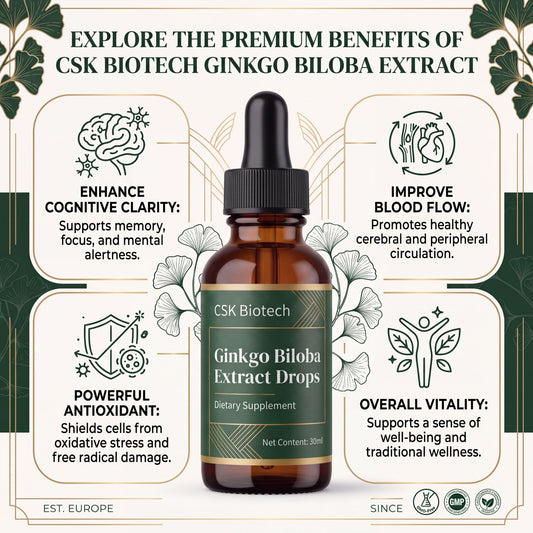
- Ginkgo Biloba Extract Drops for liquid botanical serving size.
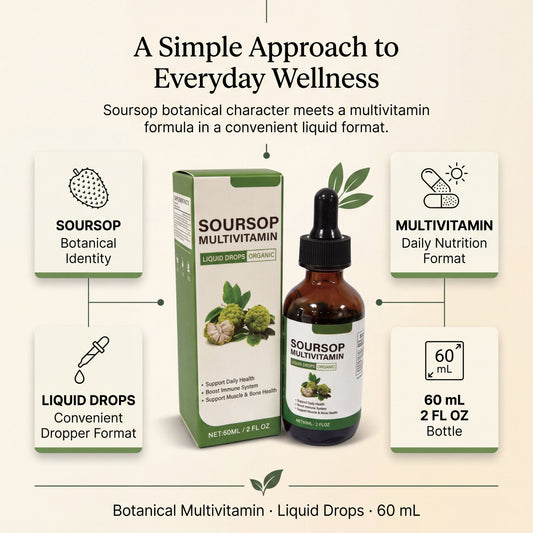
- Organic Soursop Multivitamin Drops for botanical + vitamin/mineral formulas.
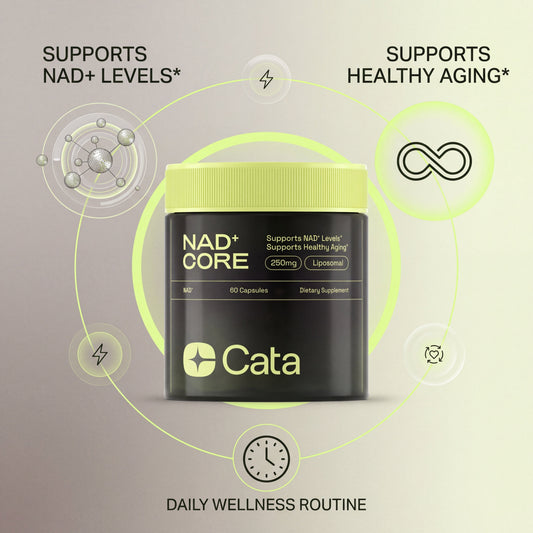
- NAD+ Liposomal 250 mg for delivery terminology.
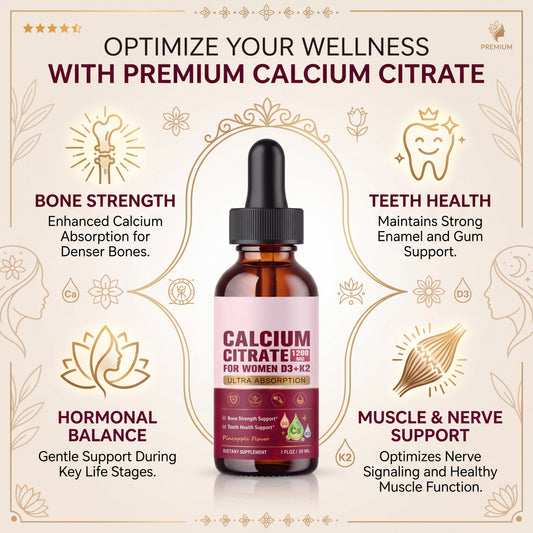
- Calcium Citrate with D3 + K2 Drops for multi-nutrient labels.
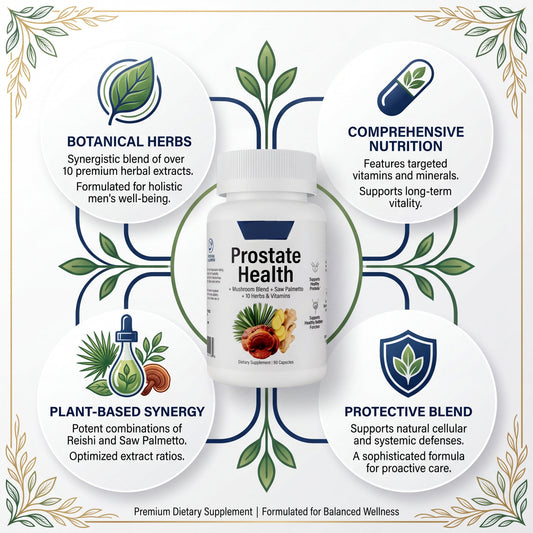
- Saw Palmetto Prostate Support for botanical blends.
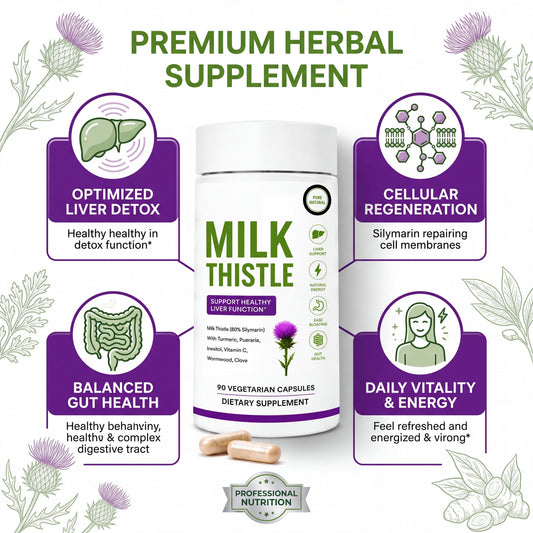
- Milk Thistle Silymarin Liver Support for standardized extracts.
What Is a Simple Five-Step Buying Checklist?
1. Read the serving size
Know what one serving actually means.
2. Identify the ingredient form
Powder, extract, standardized extract, vitamin form, mineral form, and delivery format can all matter.
3. Compare amount per serving
Do not compare package size or front-label numbers without context.
4. Check blends and Other Ingredients
Look for transparency about individual amounts and inactive ingredients.
5. Check overlap across your routine
If several products contain the same nutrient, total daily intake can matter.
Frequently Asked Questions
Should I ignore the front label?
No. Use it for product positioning, then verify the details in the facts panel and directions.
Does the biggest milligram number mean the strongest product?
No. First identify what the number actually refers to.
Is a longer ingredient list better?
Not automatically. Compare amounts, ingredient forms, serving size, and transparency.
Does a liquid format mean better absorption?
Not automatically. Format alone does not prove better absorption.
What is the most important place to start?
Start with serving size, then read ingredient amount per serving.
Educational content only. This guide does not determine the right supplement, dose, or treatment for an individual. Discuss health conditions and medication use with a qualified healthcare professional.
Tags: